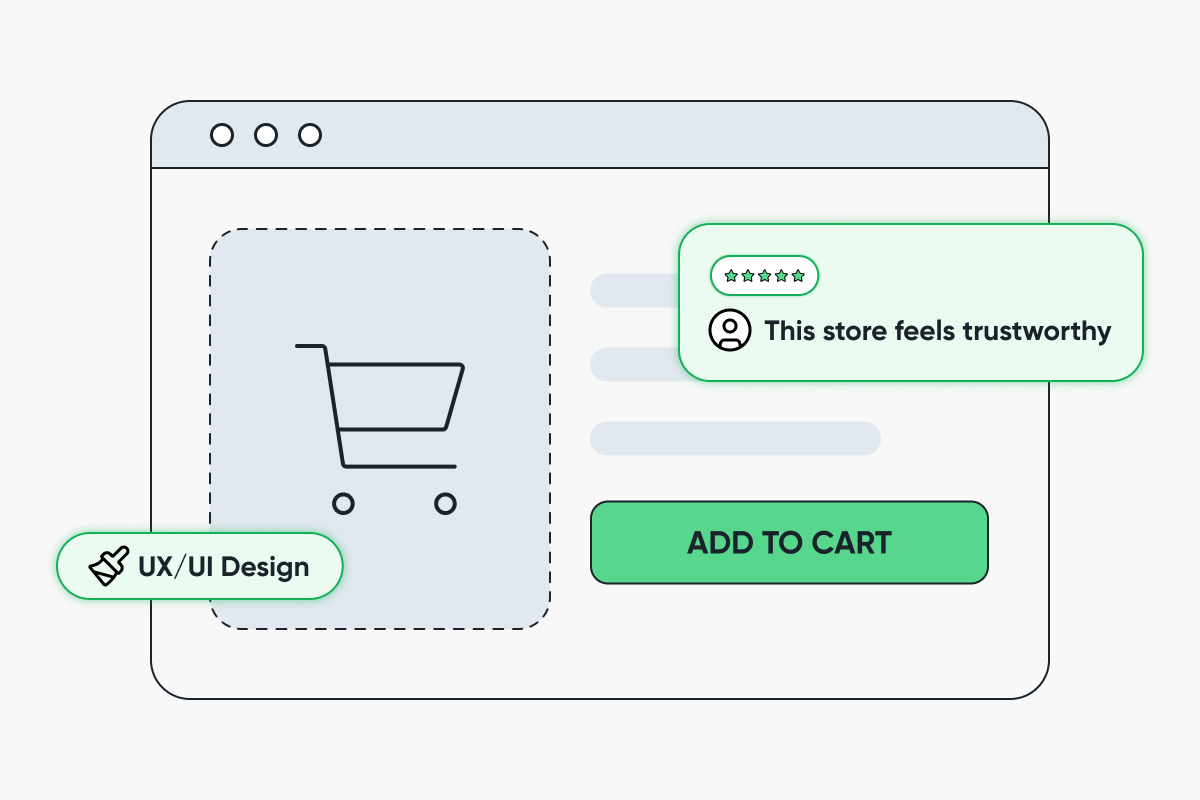
Online shopping does not give brands time to introduce themselves. It gives them a few seconds, and those seconds determine whether a visitor stays, scrolls, or exits. Even before users start reading product descriptions, checking ratings, or comparing prices, they have already decided how they feel about a store. That decision comes from what they see, how the site behaves, and whether the environment feels reliable.
Many brands assume trust is driven by logic, facts, or product superiority. Yet most visitors form their opinion based on visual language alone. A polished interface paired with a cohesive brand identity signals professionalism instantly. A fragmented identity does the opposite.
The truth is simple. Branding in UX/UI design plays a direct role in building long-term credibility. It influences how safe people feel entering payment details, whether they are willing to explore multiple pages, and whether they believe the brand will deliver what it promises. The stronger the connection between branding and interface, the stronger the perception of trust.
The Importance of Consistent Branding in E-Commerce
Every e-commerce platform tells a story before a single sentence appears. Visuals, typography, colors, and spacing speak first. They tell users what kind of brand they are dealing with and whether the experience ahead feels effortless or overwhelming.
Consistent branding creates a smooth emotional arc. When a homepage, category view, product page, and checkout share the same tone and structure, users feel stable grounding beneath their decisions. UX/UI design for establishing credibility online depends on that consistency.
Think about the offline world. Imagine walking into a calm boutique with warm lighting and elegant product displays, then being handed a wrinkled receipt printed on cheap paper. The tone breaks. Confidence slips. Online shopping works exactly the same way. If a site sets high visual expectations but fails to maintain them in checkout, trust dissolves.
Consistency matters because it reduces decision friction. The brain recognizes patterns faster than language, and repeated visual cues form recognition. Customers who feel secure during their digital journey are more likely to complete purchases, explore additional categories, and return later. Their trust becomes foundational rather than temporary.
This is also why visual branding strategies for e-commerce websites depend on granular detail. Color palettes influence emotion. Typography communicates personality. Icon style, spacing, animation intensity, and writing voice each reinforce what a brand stands for. Together, they replace uncertainty with confidence.
Brand identity is not a logo. It is a feeling that emerges from familiarity.
UX/UI Design That Reflects Your Brand Identity
Brand identity is only meaningful when it translates into experience. A visual style guide may define values, story, mission, and tone, but UX/UI determines whether those concepts become real for the user. The best e-commerce experiences deliver identity without needing to explain it.
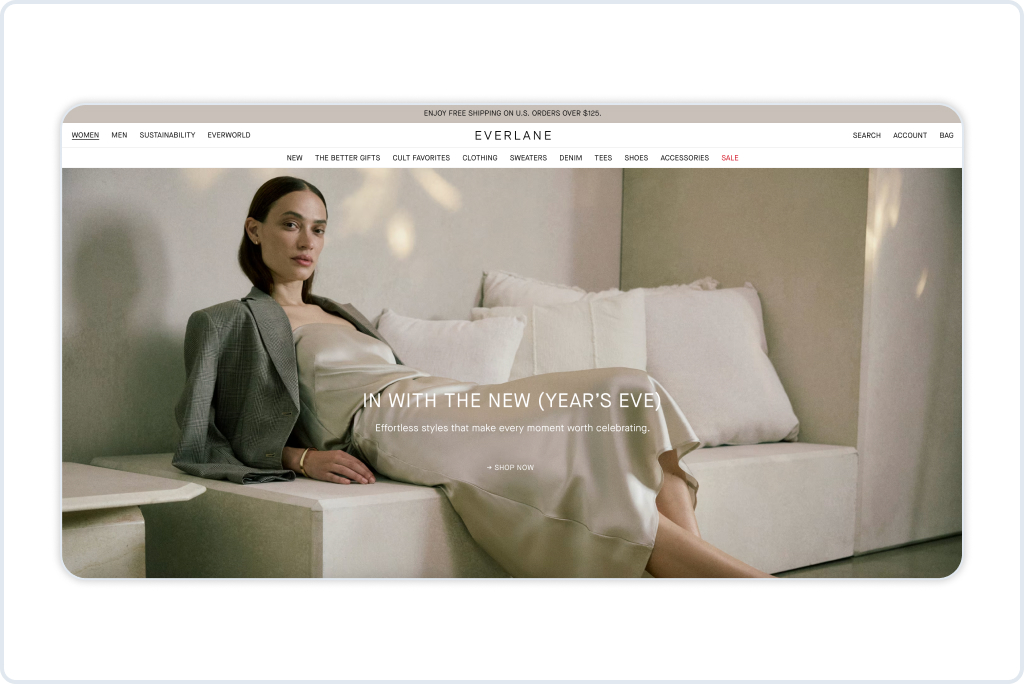
Minimalist brands often rely on clean layouts and generous negative space.
Sustainable brands lean toward calming palettes and natural textures.
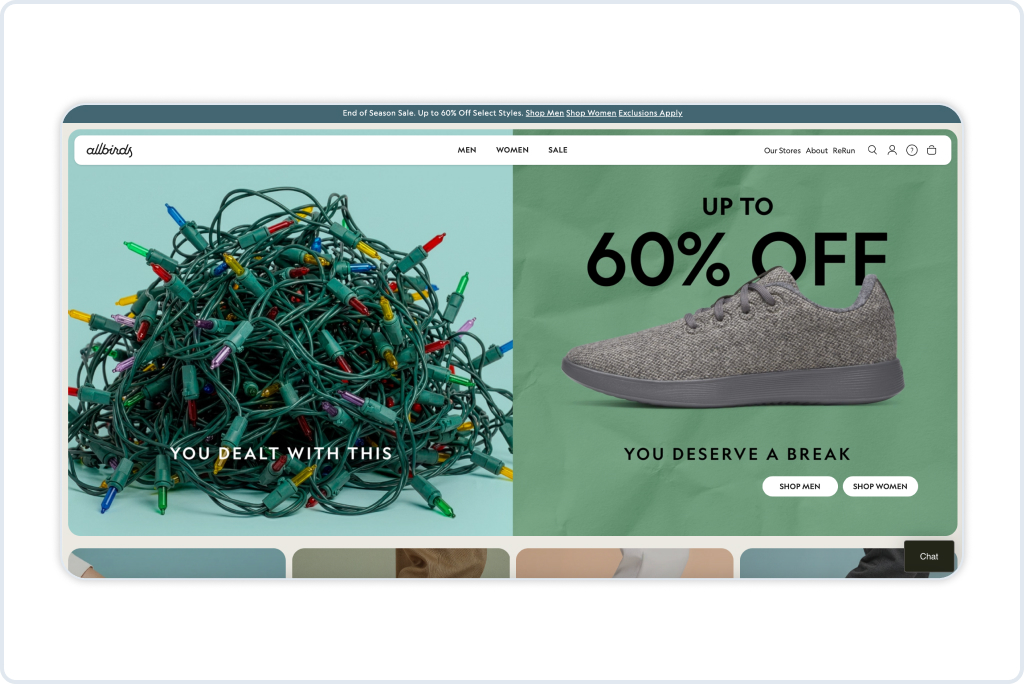
Premium brands use refined typography, sharp product imagery, and subtle motion.
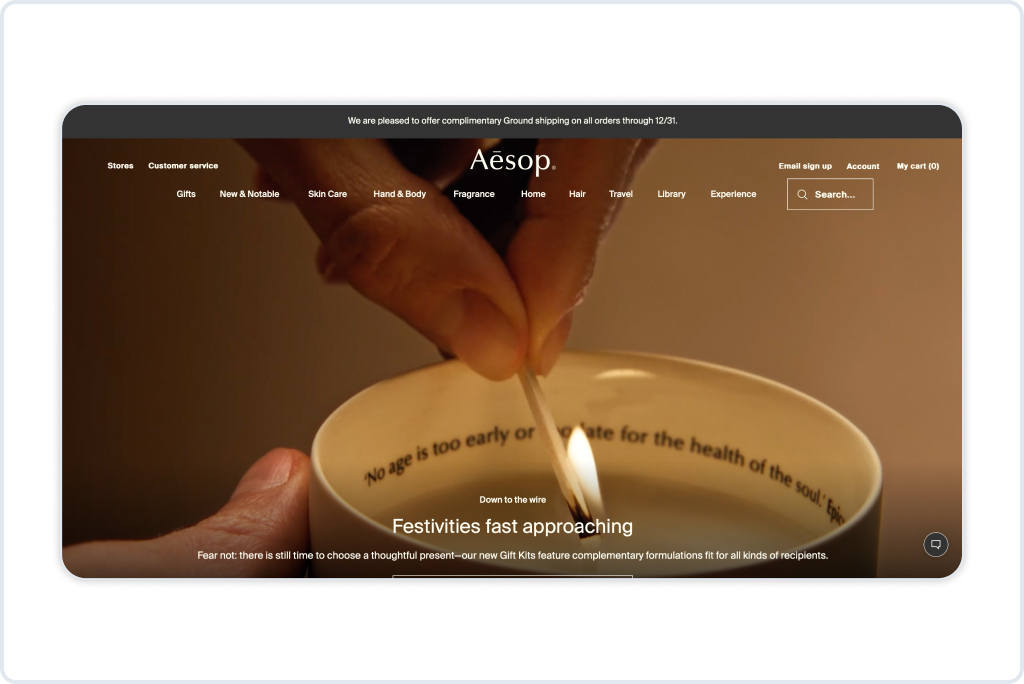
Each approach becomes a form of emotional shorthand.
Branding techniques through effective UX design are rooted in empathy. They reflect an understanding of what users expect, what they fear, what they value, and how they want to feel. This transforms a page into a dialogue rather than an instruction.
Even microcopy can reveal identity. A playful brand speaks informally. A medical supply store uses precision and clarity. Luxury retailers speak in quiet confidence. The choice of words becomes a UX signal.
Design hierarchy matters too. Clear structure communicates respect for the user. Clutter communicates disregard. When the eyes can travel easily, the mind relaxes. When attention has direction, trust forms naturally.
Navigation plays the same role. A visitor should feel guided rather than challenged. If effort replaces ease, trust fractures.
Branding in UX/UI design succeeds when the experience mirrors the essence of the company.
How Trust Is Built Through Good UX/UI Design
Trust is emotional before it becomes rational. Users do not pause to analyze typography or spacing. They simply feel instinctively whether the site is safe. UX/UI design for establishing credibility online relies on this emotional reflex.
Fast loading speed signals competence. Smooth animation signals care. Clear labeling signals honesty. Transparency signals integrity.
When a brand demonstrates that it understands user needs through its interface, stress decreases. Confidence increases. This is the foundation of how to use UX/UI design to build trust with customers.
There are several core trust behaviors measurable through interaction:
- If users scroll deeper, they trust the content
- If they click multiple products, they trust navigation
- If they enter checkout, they trust security
- If they return later, they trust the brand
Every action reveals emotional movement. Pages that feel slow, cluttered, visually inconsistent, or incomplete interrupt that movement. Users leave not because the product is poor, but because trust evaporates.
E-commerce trust factors are not decorative features. They live inside clarity, speed, logic, and tone.
Security cues work similarly. Logos for secure payment, SSL certificates, familiar processors, and transparent privacy messages reassure visitors instantly.
Helpful microinteractions build trust by rewarding user action. Clear hover states, real-time error feedback, and confirmation messages show engagement rather than indifference.
Trust compounds through repetition, like interest in a savings account. Every positive interaction becomes another deposit.
Branding and UX/UI Design for Building Trust and Credibility: The Emotional Layer
Emotions drive e-commerce more than any other metric. Humans are wired to make decisions based on feeling, then explain those decisions afterward. UX/UI for branding must acknowledge this reality.
When users feel comfortable, they stay. When they feel excitement, they explore. When they feel clarity, they convert. When they feel respected, they return.
This emotional architecture appears not only in visuals but in tone. Clear messaging reduces anxiety. Friendly language reduces distance. Direct wording reduces confusion.
The interface becomes a reflection of how the brand treats its audience.
Some brands use warmth and relatability as their emotional anchor. Others use precision and authority. Both approaches work when they align with expectations. Customers want e-commerce platforms to act like people: familiar, reliable, perceptive, and consistent.
The emotional layer gives branding in UX/UI design a purpose beyond aesthetics. It creates belonging.
Practical Visual Branding Strategies for E-Commerce Websites
Strong design begins with clarity.
Large hero images create context by showing products in real environments. Customers imagine themselves using what they see. This strengthens motivation and trust.
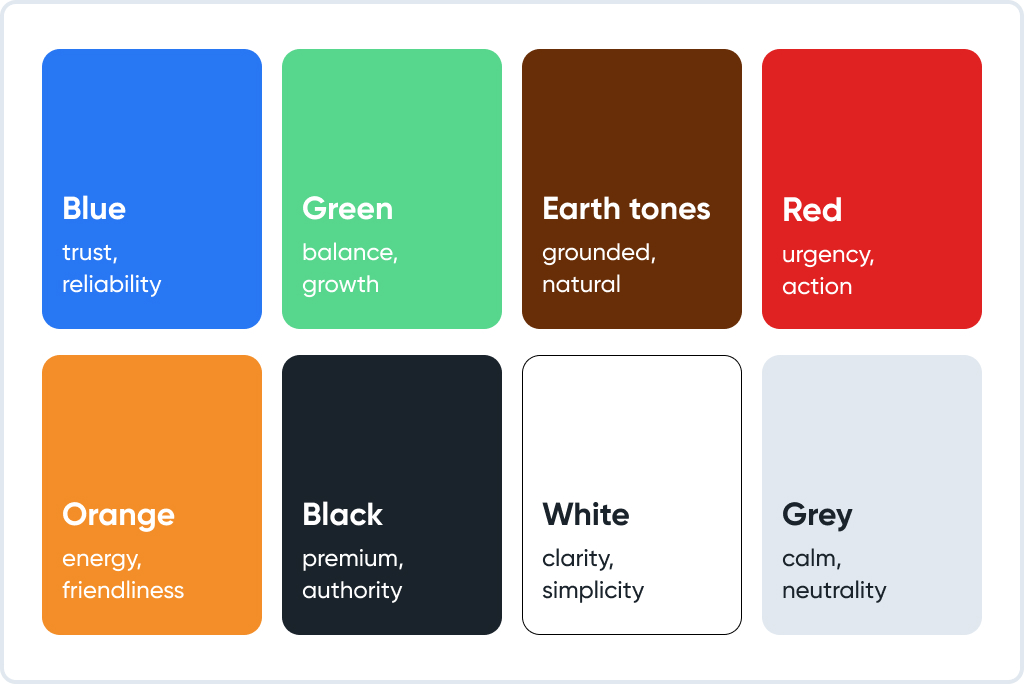
Color psychology shapes emotion as soon as the page loads. Blue tones feel reliable. Earth tones feel grounded. Bold contrast feels energetic. Muted palettes feel calm.
Typography shapes verbal identity. Sharp serifs feel elegant. Rounded sans serifs feel friendly. Narrow widths feel technical. Wide spacing feels luxurious.
Imagery matters. Authentic photography builds trust, while generic stock visuals break it.
Hierarchy guides attention. Users should know instantly what matters most, what matters second, and what matters last.
Responsiveness matters more than ever. With most e-commerce browsing occurring on mobile screens, UX/UI for branding must function flawlessly at every size. When mobile performance fails, trust collapses.
Above all, visuals must match the truth. Beautiful imagery will get a click, but strong UX is what earns a purchase.
How to Use UX/UI Design to Build Trust with Customers: Practical Tactics
Trust must be measurable. Tools allow brands to evaluate emotional outcomes through real interaction rather than assumption.
Heatmaps and scroll maps show where users hesitate, ignore, or focus. Analytics funnels show where trust collapses inside checkout. Testing platforms show whether layout changes improve click engagement. Feedback forms show whether users felt understood and supported.
Each visual or functional decision can be validated rather than guessed.
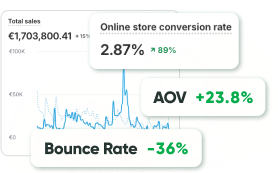
Many brands assume trust is intangible. In practice, it is visible in numbers. Drop-off rates decline when UX improves. Session time increases when content feels comfortable. Conversion rate increases when friction disappears. Return rate increases when experience feels rewarding.
Trust is not luck. It is a system.
Conclusion: Trust Is the Real Growth Strategy
Modern e-commerce success depends on credibility rather than volume. Stores cannot grow without trust, and trust cannot form without strong UX/UI design.
Branding and UX/UI are not separate disciplines. They are partners that shape perception, confidence, and emotional connection.
When a visitor feels safe, they convert. When they feel valued, they return. When they feel understood, they become loyal.
The brands winning today are not always the cheapest or most famous. They are the most trustworthy.
Trust is the most powerful growth force in digital commerce, and UX/UI design is the pathway that builds it.
FAQ
People react to what they see and feel long before they process facts. If the design feels solid and inviting, visitors instinctively assume the business behind it is solid too. Reviews may confirm trust, but UX/UI usually creates the first spark.
Absolutely. When the interface feels smooth and the tone feels familiar, people stop second-guessing and start moving forward. That comfort often shows up later as more completed checkouts and fewer abandoned carts.
Inconsistency forces the brain to work harder, and that extra effort creates doubt. When everything looks like it belongs together, visitors stop thinking about the design and start thinking about the product. That shift alone can increase trust significantly.
A fast-loading page tells customers they are in good hands. Clear labels reduce hesitation. Familiar security icons near payment options quietly reassure people who may not want to type their card number into just any website.
We judge with our eyes first. Sharp, original imagery and thoughtful typography can create a sense of confidence before a visitor has read a single sentence. Most people know immediately if a site feels “real” or not, even if they cannot explain why.
More than most people think. A tiny animation or a helpful field hint tells the user the site is paying attention. When the interface reacts as expected, customers feel supported rather than left alone.
Looks play a role, but the deeper value is clarity. A well-structured layout removes friction and helps people make decisions without stress. When a design feels effortless, trust tends to follow naturally.
Identity is often more visible in tone and flow than in logos or slogans. When the experience matches the values a brand claims to stand for, the message feels believable, and that sense of believability naturally turns into trust.
Definitely. Even a young brand can feel established if the interface is clean, logical, and stable. Visitors may not know the company, but they will trust the experience if it feels well-made.
Stop focusing only on what users do and pay attention to how they feel while doing it. People rarely remember a layout, but they remember tension and relief. If the whole journey feels calm and reliable, trust becomes a natural outcome rather than a goal. Above all, visuals