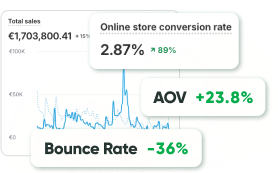
Digital products rarely succeed through functionality alone. Many platforms offer similar features, comparable performance, and nearly identical technical capabilities. Yet some products attract loyal users while others struggle to retain attention.
A major difference often lies in emotional design. When interfaces create positive emotional responses, users feel more comfortable exploring the product. Trust grows faster. Engagement lasts longer. According to the Stanford Web Credibility Project, 75% of users evaluate a company’s credibility based on the design of its website, which shows how strongly interface experience shapes trust.
Modern product teams increasingly recognize the importance of emotional UX and UI psychology. Design decisions influence not only usability but also how people feel during interaction. Calm interfaces encourage confidence. Friendly visual cues create familiarity. Small emotional signals shape the perception of the entire product.
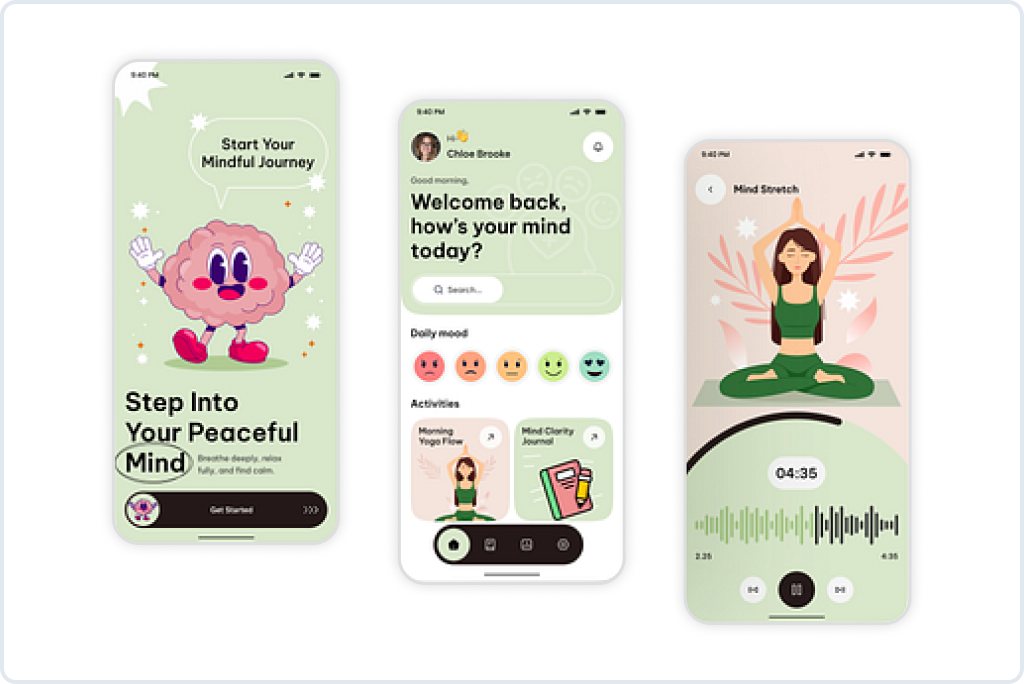
Why Emotional Experience Matters More Than Features
Features attract attention at first. Emotional experience determines whether users return.
Consider two apps that provide the same functionality. One feels cold and mechanical. Navigation appears technically correct but emotionally neutral. The other offers clear structure, friendly tone, and reassuring visual feedback during actions.
Most users naturally prefer the second experience. Emotional design strengthens several key aspects of digital interaction:
- Users feel confident navigating the interface.
- Actions produce satisfying visual responses.
- Interactions feel predictable and safe.
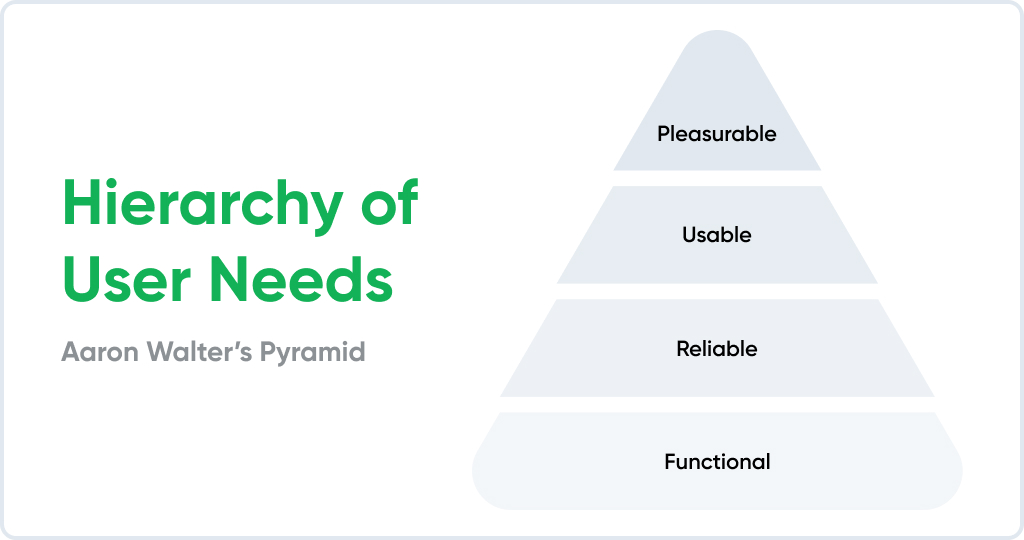
Such signals create a sense of reliability. Over time, reliability becomes trust.
In ecommerce environments, especially, trust strongly influences purchasing behavior. Shoppers who feel comfortable within an interface tend to browse longer and explore more products.
The Psychology Behind UI Design Choices
Design elements constantly communicate signals to users, even when those signals remain subtle. UX psychology explains how people interpret visual patterns and interaction cues.
Several psychological mechanisms shape emotional responses during digital interactions.
Familiarity
Users trust environments that resemble patterns they already understand. Navigation structures, button placement, and layout rhythm influence how quickly people feel comfortable inside a product.
When interfaces follow familiar interaction models, users do not need to learn the system again.
Visual hierarchy
Human attention naturally follows visual hierarchy. Size, contrast, and spacing determine which elements attract attention first.
A clear hierarchy reduces confusion and guides users smoothly through tasks.
Feedback and reassurance
Interfaces that provide small confirmations after actions create emotional reassurance. Animations, microinteractions, and subtle transitions signal that the system responds to user input.
Such feedback reduces uncertainty.
Emotional tone
Typography, color palettes, and spacing affect the emotional tone of an interface. Calm design often feels trustworthy, while cluttered layouts can create anxiety or hesitation.
Understanding the psychology behind UI design choices allows product teams to design experiences that feel intuitive rather than mechanical.
How Emotional Design Improves User Engagement
Engagement often depends on how a product makes people feel while using it.
Interfaces that create positive emotional signals encourage users to explore further. Interaction becomes more enjoyable, increasing time spent in the product.
Several design elements influence engagement through emotional response.
- Clear and reassuring navigation
Users feel more confident exploring a product when navigation behaves predictably. Logical structure removes uncertainty and allows people to focus on content or tasks instead of figuring out how the interface works. - Microinteractions that confirm actions
Small visual responses after clicking a button or completing a task create a sense of progress. Such signals reassure users that the system responds correctly. - Readable and comfortable layouts
Generous spacing and structured content reduce cognitive fatigue. When reading and browsing feel comfortable, users stay longer and interact more.
One ecommerce navigation optimization project illustrates how emotional clarity affects engagement. The redesign focused on simplifying product discovery and improving navigation flow so users could browse automotive parts without confusion. A clearer structure increased browsing confidence and improved product exploration.
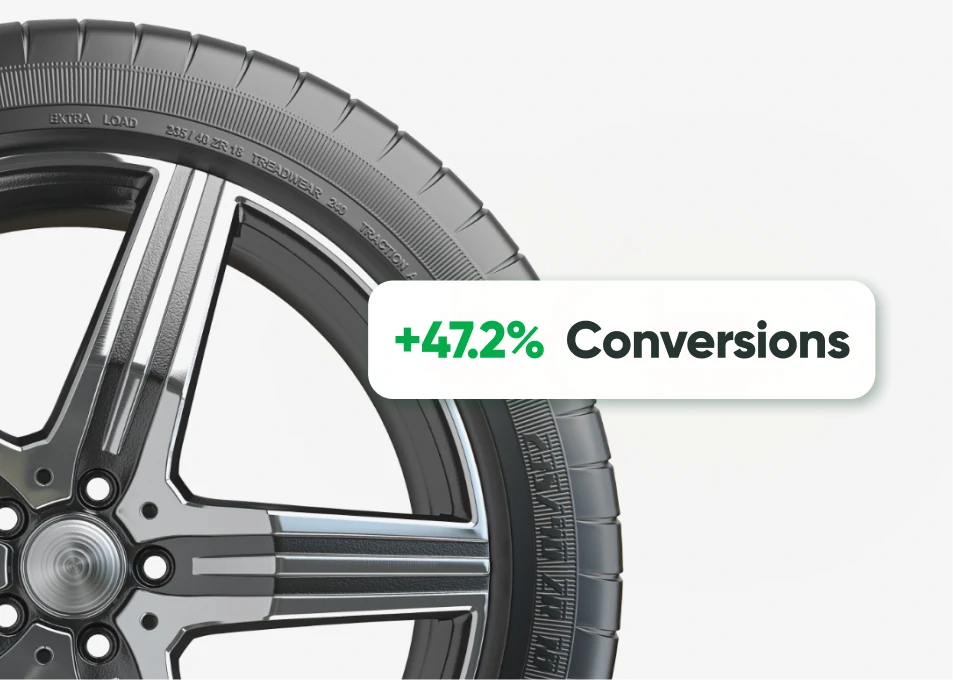
- +47.2% conversion rate from paid traffic
- –25% product page exits
- +30.3% user reviews, enhancing trust
Such improvements often appear subtle from a visual perspective but produce meaningful behavioral changes.
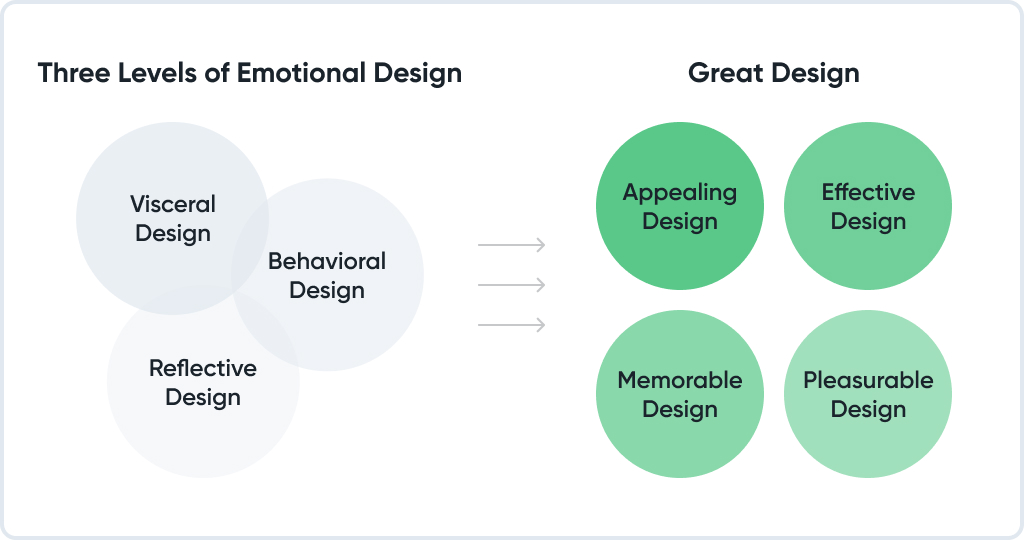
Emotional UX Examples in Apps and Ecommerce Platforms
Emotional UX appears in many forms across modern digital products. Some examples involve visual tone, while others focus on interaction behavior.
A global ecommerce optimization project improved product discovery and checkout experience by refining layout hierarchy and simplifying navigation. The result created a smoother and more reassuring shopping journey. Users could understand product options faster and proceed through the purchase process with fewer interruptions.
- +42.6% product page engagement
- +35.9% international conversions
- -18% cart abandonment
Another example appears in an ecommerce redesign for a women’s lingerie brand. The project focused on improving browsing comfort and strengthening emotional connection through clearer product presentation and calmer interface structure. Shoppers could explore collections without feeling overwhelmed by the layout.

- +51.4% conversions
- +59.1% revenue per visitor
- -26% cart abandonment
Both projects demonstrate practical emotional UX examples in apps and ecommerce platforms. Improvements did not depend on dramatic visual changes. Instead, careful attention to clarity and interaction flow strengthened the emotional experience.
Emotional Design Principles for Websites
Designers often rely on several core principles when building emotionally engaging digital products.
- Clarity builds trust
When users understand the interface immediately, anxiety disappears. Clear structure communicates professionalism and reliability. - Consistency reduces stress
Consistent layout patterns across pages allow users to predict how the interface behaves. Predictability creates emotional comfort. - Feedback creates reassurance
Visual confirmation after actions strengthens user confidence. Even small transitions or animations can reassure users that their actions succeeded. - Human tone increases connection
Friendly microcopy and conversational interface language make digital products feel more approachable.
Applying such emotional design principles for websites often results in interfaces that feel calm, trustworthy, and welcoming.
Impact of Emotional UI on Conversions
Conversion often depends on emotional confidence.
A visitor who feels uncertain about a product page may hesitate before making a purchase. Doubt slows decision-making and increases abandonment. Emotional design addresses such hesitation in several ways.
- Clear product presentation reduces confusion.
- Trustworthy layout signals professionalism.
- Predictable interaction patterns reassure users during checkout.
An ecommerce redesign for a herbal supplement brand illustrates such influence. The project improved browsing flow and product page clarity, helping visitors understand product benefits more easily. When information appears clearly, and interaction feels smooth, shoppers feel more confident proceeding toward purchase.

- +37.8% mobile conversions
- +28.4% product discovery efficiency
- +22% longer session duration
The impact of emotional UI on conversions often appears through improved engagement and stronger purchase confidence.
User Experience Design Trends Shaping Emotional Interfaces
Several user experience design trends continue influencing emotional UX in modern digital products.
Calm interface environments
Many platforms reduce visual noise and simplify layouts to create a more comfortable browsing environment. Calm interfaces encourage longer interaction sessions.
Human-centered microcopy
Short interface messages increasingly adopt a conversational tone. Friendly language helps users feel guided rather than instructed.
Meaningful microinteractions
Subtle transitions and responsive interface elements make interactions feel more natural. Motion design supports emotional engagement when used carefully.
Context-aware experiences
Modern interfaces adapt content depending on user behavior and context. Personalized suggestions and adaptive navigation help users feel understood.
Such trends reflect growing recognition that digital experiences influence emotional perception as strongly as functional capability.
Designing Emotional Experiences Without Manipulation
Emotional design should support users rather than manipulate behavior. Ethical UX focuses on helping users complete tasks comfortably while maintaining transparency.
Design strategies that respect users often include:
- Clear communication about actions and outcomes.
- Predictable interface behavior without hidden surprises.
- Balanced visual hierarchy that supports informed decisions.
Responsible emotional design builds trust rather than exploiting psychological triggers.
Final Thoughts
Digital products compete in environments where functionality alone rarely creates long-term loyalty. Users choose platforms that feel comfortable, reliable, and easy to navigate.
Emotional design strengthens those qualities. Through thoughtful use of UI psychology, structured layout, and reassuring interactions, digital products can create experiences that users trust and enjoy.
Strong emotional UX encourages exploration, reduces hesitation, and helps users return to the product repeatedly.
Teams interested in improving emotional connection within ecommerce interfaces often explore specialized UX design support.
Well-designed interfaces rarely rely on complex visual tricks. Clear structure, predictable interaction, and thoughtful emotional signals often create the strongest user experience.
FAQ
Emotional design focuses on how a product makes people feel while they use it. Some interfaces feel clear and calm almost immediately, while others create confusion even if the functionality works. Design decisions such as layout structure, spacing, tone of microcopy, and interaction feedback shape that emotional reaction.
Users usually decide very quickly whether an interface feels comfortable. If the structure is confusing, people often leave before exploring the product fully. A well-designed experience removes that tension. Visitors understand where to start and what to do next.
When a product feels easy to navigate, users tend to stay longer. They browse more pages and explore more features simply because the interface does not slow them down. Engagement often increases when the environment feels predictable.
UI psychology explains how people react to visual signals. For example, users naturally notice larger elements first, and they rely heavily on layout patterns to understand navigation. Designers use those patterns to guide attention and reduce confusion.
Shopping decisions involve trust. If product pages feel unclear or overwhelming, visitors hesitate before completing a purchase. Clear structure and calm layouts help users understand product information faster, which often makes checkout decisions easier.
Yes. In fact, complex products often benefit the most from emotional UX. When systems contain many features, structure becomes extremely important. A well-organized interface helps users focus on their tasks rather than trying to understand the layout.
Simple navigation, clear product pages, smooth animations after actions, and helpful confirmation messages are common examples. None of those elements looks dramatic on their own, but together they make the interface feel more comfortable.
Many modern interfaces reduce visual noise. Designers use more space between elements and organize information more clearly. That approach makes screens easier to scan and reduces the feeling of overload.
Yes. Users tend to return to products that feel familiar and reliable. When an interface consistently behaves the way people expect, trust grows over time. That familiarity often becomes the reason users stay with a product.
A practical starting point is observing real user behavior. Analytics or session recordings usually show where people hesitate or leave the product. Those moments often reveal parts of the interface that need simplification.