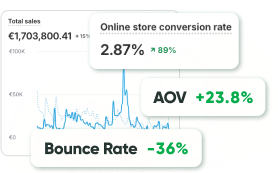
Ever walked into a store where everything seems perfectly designed to help you buy? That’s exactly what conversion rate optimization does for online retailers. While most e-commerce sites struggle with 2-3% conversion rates, the smart ones are turning more browsers into buyers through strategic optimization.
The reality hits hard: 97% of website visitors leave without purchasing anything. But here’s where it gets interesting – companies that focus on data-driven CRO often see 30% better performance than their competitors. Instead of throwing more money at ads, they’re getting more from the traffic they already have.
Why CRO Matters in Modern Commerce
- Shifts attention from raw traffic numbers toward meaningful visitor actions.
- Protects budget during paid media fluctuations by raising revenue per click.
- Builds trust, which lifts average order value instead of resorting to blunt discounts.
- Turns analytics reports into a tight loop of weekly experiments rather than quarterly guessing games.
- Aligns product managers, marketers, and customer support around shared numbers.
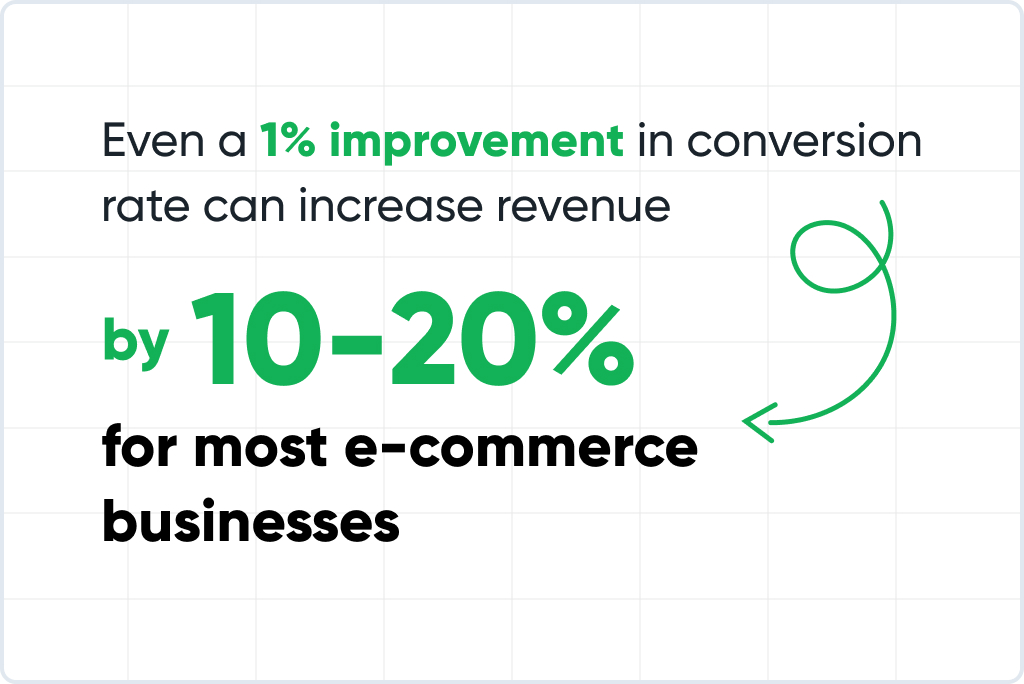
Small improvements accumulate. A store that moves from a two percent to a three percent conversion rate increases revenue by fifty percent with identical traffic. That single percentage point pays for development cycles many times over.
The Impact of User Experience on Conversion Rates
The average shopper decides whether to stay or go in under ten seconds. Poor navigation, ambiguous value propositions, or heavy imagery stop the journey before it begins. A silky user experience, on the other hand, invites deeper exploration.
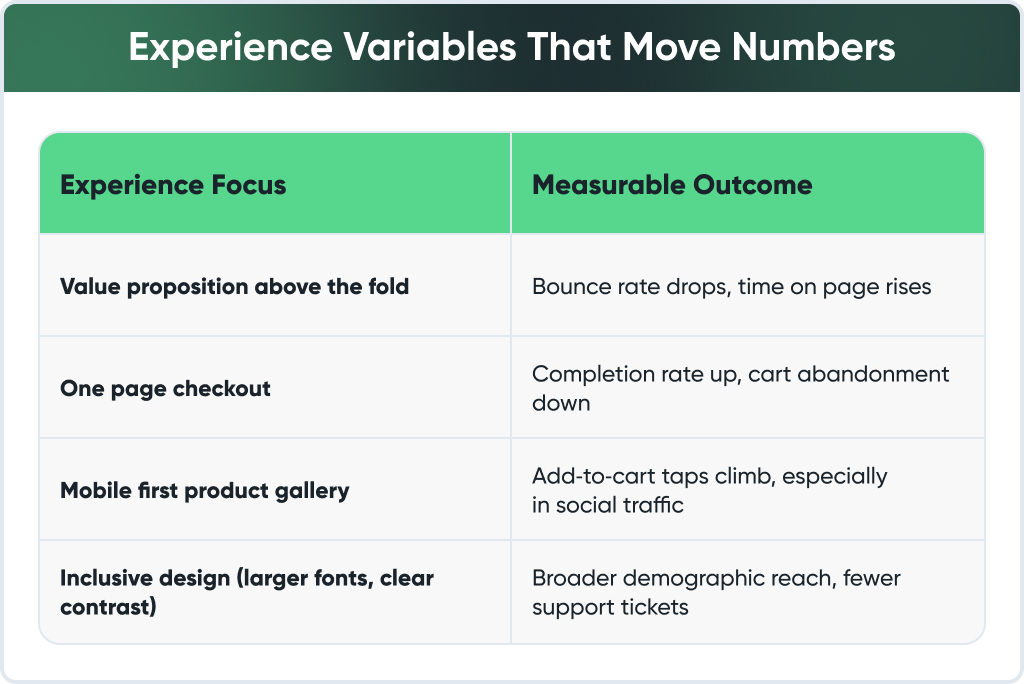
Beyond the table, remember that site speed ties it all together. Every extra second of load time can cut conversions by up to five percent, a painful tax on growth.
Psychology Behind Clicks and Purchases
Human behavior remains surprisingly predictable in commerce.
- Cognitive fluency – People trust what looks easy to understand. Clean layouts feel safer.
- Loss aversion – Limited stock or expiring bonuses activate a stronger urge to act than potential gain alone.
- Social proof – Shoppers lean on crowd wisdom when final confidence is missing. Reviews and star ratings make the invisible visible.
- Commitment bias – A small first step, like adding to wish list, primes the user to finish the purchase.
Designers who respect these cognitive shortcuts can improve e‑commerce conversion without heavy engineering.
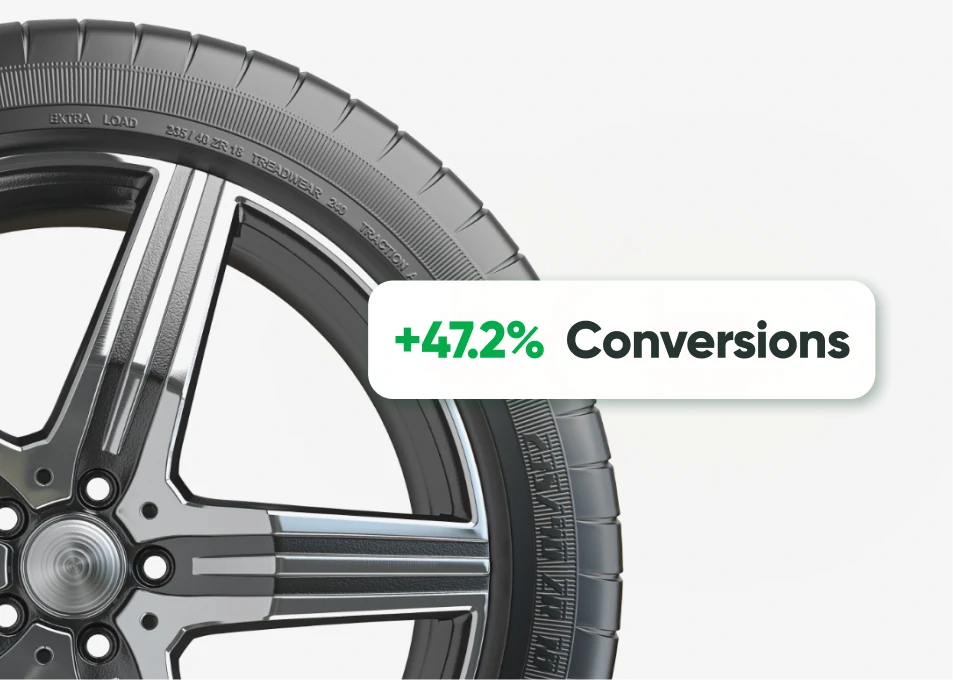
- +47.2% conversion rate from paid traffic
- –25% product page exits
- +30.3% user reviews, enhancing trust
Key CRO Techniques That Drive More E‑Commerce Sales
- Clarify headlines: Speak to the outcome the buyer wants. Replace jargon with clear benefit statements.
- Trim form fields: Capture only essential data. Every extra question is a quiet exit sign.
- Control visual hierarchy: Guide attention using size, spacing, and color rather than decorative gimmicks.
- Surface urgency responsibly: Real limited quantities, honest countdown timers, and last‑minute shipping cutoffs motivate without manipulation.
- Strengthen trust signals: Place third‑party reviews, media logos, and security badges close to the add‑to‑bag button.
- Test micro copy: Changing “Buy” to “Add to Bag” may reduce commitment anxiety and raise clicks.
- Leverage data‑driven CRO for online stores: Heat maps uncover friction, funnel analytics expose leaks, and session replays show hesitation in real time.
- Segment visitors: First‑time mobile buyers need different nudges than repeat desktop shoppers.
- Offer flexible payment options: Digital wallets and pay‑later services remove checkout friction, especially in younger audiences.
- Personalize product blocks: Dynamic merchandising engines that learn from individual browsing habits typically lift revenue per visitor by five to ten percent.
8 Steps to Increase E‑Commerce Sales in 2025-2026
- Prioritize site speed on mobile networks; low bandwidth customers often convert twice once pages load under two seconds.
- Replace intrusive pop‑ups with gentler slide‑ins that trigger after user intent, protecting conversion momentum.
- Offer one‑click re‑orders to turn single purchases into habit loops.
- Build an on‑site search algorithm that understands synonyms and misspellings; visitors who search often convert at four times the baseline.
- Introduce micro surveys after checkout to capture objections while memory is fresh.
- Create post‑purchase journeys: request reviews, upsell accessories, invite to loyalty programs.
- Use accessibility audits to uncover low‑cost fixes such as label tags and keyboard navigation, which help all users.
- Schedule weekly experiment launches. Small but frequent tests outpace rare mega redesigns.
Data‑Driven CRO for Online Stores in Practice
- Collect clean data
Verify that analytics events fire on every critical click and page load. Garbage in, garbage out. - Visualize funnels
Build step by step views: product view, add to cart, checkout start, payment success. Identify the largest drop. - Hypothesize fixes
For example, high drop‑off between shipping and payment may reveal hidden fees. - Design minimal interventions
Change as little as possible per test to isolate the cause. - Run A/B or multivariate experiments
Split traffic until statistical significance. Do not cut tests early or chase small uplifts. - Document learnings
Maintain a living playbook so new staff avoid repeating old mistakes.
Integrating CRO with the Marketing Stack
Close the loop with ad platforms
- Export every statistically significant test result to your ad account.
- Shorter headlines that lift on‑site clicks should become new ad copy variants.
- Bid more aggressively on audiences that reacted well to the winning page, because their likelihood to purchase is now proven.
Synchronize product recommendations across channels
- Feed the same recommendation engine into email, push notifications, and on‑site widgets.
- Present recently viewed items in abandoned‑cart emails to reinforce intent without extra creative work.
- Use predictive scores from conversion rate optimization experiments to build dynamic segments—high intent, price sensitive, or upsell ready—and trigger personalized campaigns.
Share winning creatives with social teams
- Store all A/B test assets in a shared library so designers and content managers can repurpose them instantly.
- Align thumbnail styles, color palettes, and headline formulas across Instagram, TikTok, and Facebook to create a unified brand memory.
- Track engagement metrics on social posts that reuse CRO‑validated elements; rising click‑through rates confirm that on‑site insights translate off‑site.
Extend insights into SEO and content marketing
- If a simplified headline boosts conversions, mirror that clarity in meta titles and article headings.
- Embedded top‑converting keywords, such as “data‑driven CRO for online stores,” in blog copy to attract traffic that already aligns with proven buyer language.
Connect CRO data to CRM and retention workflows
- Pass experiment winners into your CRM so sales or support teams know which value propositions resonate most with each segment.
- Trigger loyalty offers when a customer completes a journey touched by a recent CRO test; immediate reinforcement strengthens long‑term retention.
When every channel speaks the same proven language, commerce brands amplify each small conversion rate optimization gain into compounding growth across the entire marketing ecosystem.
Common Myths About Conversion Rate Optimization
- “CRO ends after checkout.” Follow‑up messaging, packaging inserts, and returns policies influence repeat purchases and referrals.
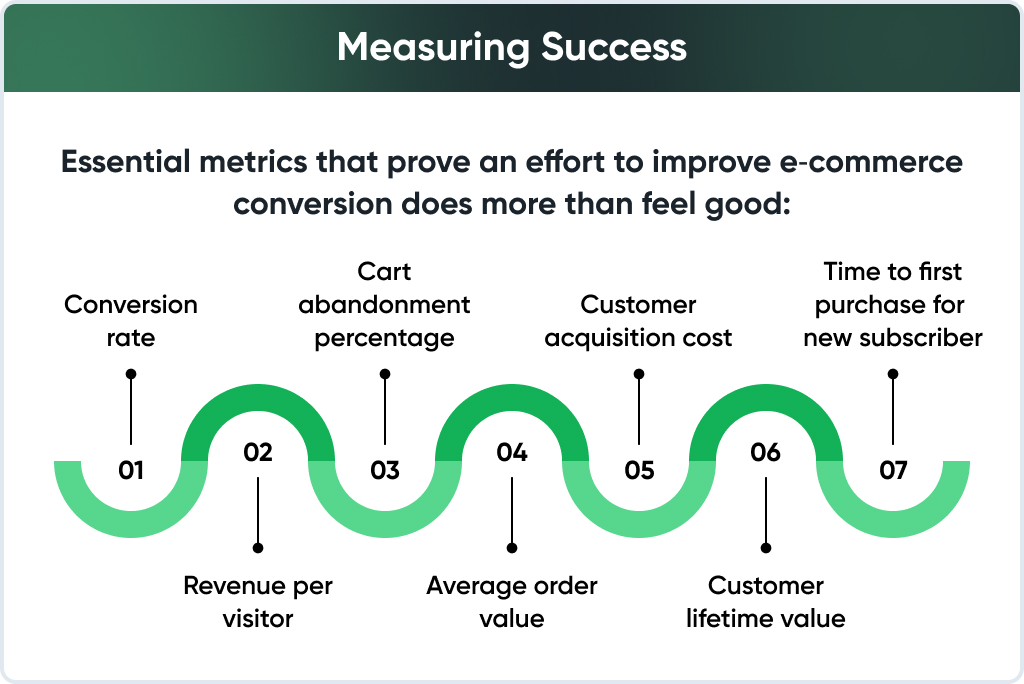
- “High conversion rates guarantee profit.” Conversion without profit margin only accelerates losses. Monitor blended metrics.
- “Only big stores can run tests.” Even shops with low traffic can group pages or extend test duration to reach significance.
Future Proofing: CRO in the Age of AI
Artificial intelligence promises personalized product grids, adaptive pricing, and predictive customer service. Yet CRO principles remain stable. Clear value, low friction, and trust will always matter. AI tools simply accelerate data collection and hypothesis testing. Commerce brands that marry timeless principles with automated insights will command the next era of online retail.
Conclusion
Conversion rate optimization is not a one off project. It is an ongoing habit where small data driven improvements add up to steady growth.
If you want a partner to accelerate these gains, GoMage is ready to help. Your storefront becomes easier for shoppers and more profitable for your business. Explore client success stories and schedule a quick audit of your own store.
FAQ
Conversion rate optimization is a structured process that raises the percentage of visitors who complete a desired action, such as purchasing, on an e‑commerce site.
Minor gains often appear within two to three weeks, while durable lifts take six to eight weeks of disciplined iteration.
Yes. With lower traffic, every visitor carries higher value, so even a single digit percentage improvement can meaningfully improve cash flow.
Start with an analytics suite such as Google Analytics 4, overlay heat‑map software like Hotjar, and integrate an A/B platform such as Optimizely or VWO.
Launch new tests whenever existing data justifies a clear hypothesis, ideally weekly for active stores, biweekly for lower traffic sites.
Only if aesthetics ignore usability. The strongest commerce brands blend refined design with easy navigation.
No. Product teams, developers, designers, and even customer support shape user experience and therefore shape conversions.
Audit site speed on mobile. Reducing load time by one second can deliver immediate conversion gains without new creative assets.