Digital advertising looks simple from the outside. You create a few visuals, launch campaigns, watch numbers move. In reality, it is a mix of strategy, audience psychology, creative work, data, and constant adjustments. One good month can come from a smart setup. A bad month often comes from tiny mistakes that stay unnoticed until the budget is already spent.
This guide explains digital advertising in a way that is practical and easy to follow. No overcomplicated theory, no “marketing textbook” tone. You will see what digital ads are, where they appear, how digital media advertising works step by step, and why businesses keep investing in it even when competition gets tougher.
What Is Digital Advertising?
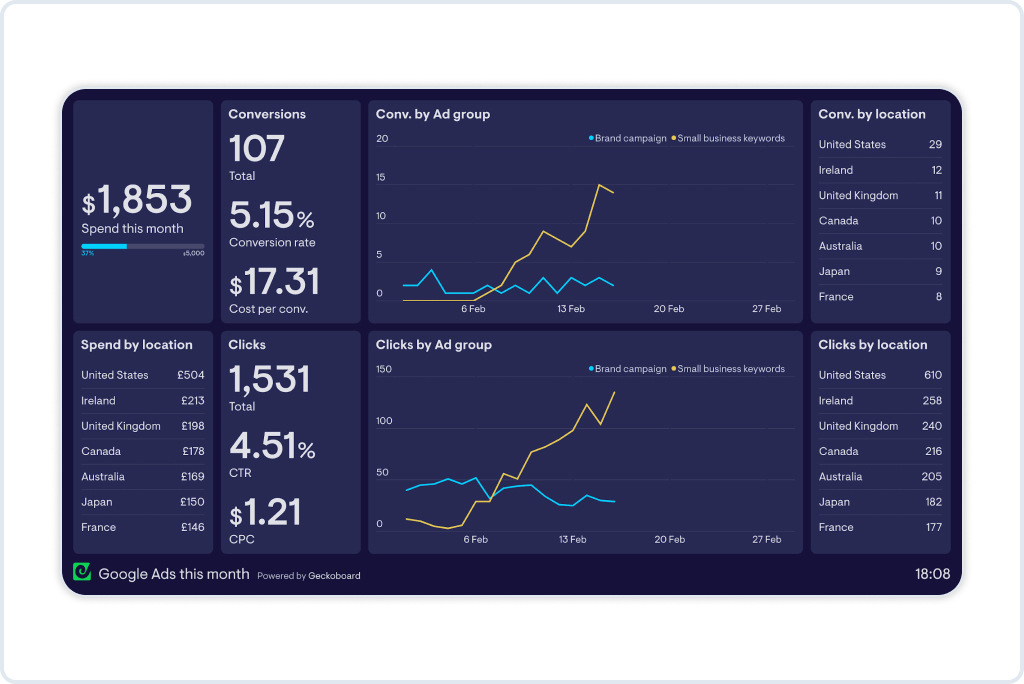
Digital advertising is any paid promotion delivered through digital channels. That includes ads you see in Google search results, sponsored posts in social media feeds, banners on websites, video ads on streaming platforms, and even promoted listings inside marketplaces.
The key part is “paid”. Digital advertising is different from organic growth. You are not waiting for people to find you on their own. You are paying to show up in front of a specific audience, in a specific context, with a specific goal.
A simple way to think about it is this. Digital advertising is a system where you buy attention and then try to turn that attention into action.
That action depends on your business. It can be a purchase, a signup, a booking, a demo request, or even a visit that later becomes a sale. Many campaigns fail because teams focus only on clicks while ignoring what happens after.
Digital ads are not only for “big brands”. Small businesses use digital advertising to bring in steady leads. Ecommerce stores use it to push seasonal collections and remarket to visitors. SaaS companies use it to fill pipelines. Local services use it to stay visible when demand spikes.
Types of Digital Advertising Channels
There is no single “best” channel. What works depends on your product, margin, sales cycle, and audience. Still, most digital media advertising falls into a few core groups.
Search advertising
Search ads show up when people actively look for something. This is why Google Ads is often a starting point. Intent is already there. Your job is to match it with the right message and landing page.
Search ads are common for:
- high intent products and services
- local services and urgent needs
- ecommerce offers that people already search for
Social media advertising
Social ads appear in feeds and stories. The user is not searching. They are scrolling. This changes everything. Creative matters more, and the message has to earn attention.
Social digital ads work well for:
- brand discovery
- product launches
- retargeting visitors
- demand generation for new audiences
Display advertising
Display ads are banners across websites and apps. They are often used for reach, awareness, and remarketing. They can be effective, but they require strong targeting and good frequency control. Otherwise, you get impressions with little value.
Video advertising
Video ads are popular because they can explain and persuade quickly. YouTube is the obvious platform, but video placements exist across social networks and programmatic networks as well.
Video is often used for:
- products that need demonstration
- new brands that need trust
- offers with emotional appeal
Native and sponsored content
Native ads blend into the platform format. Sponsored articles, promoted recommendations, content placements. Done well, they feel less intrusive and more like “useful information” that leads naturally into an offer.
Marketplace and retail media ads
Amazon, Etsy, Allegro, and other marketplaces run their own ad systems. Retail media is growing fast because it connects ads directly to product purchase behavior.
If you sell products, marketplace advertising can become as important as your own site campaigns.
How Digital Advertising Works Step by Step
Digital advertising can look chaotic, but the mechanics are pretty consistent. Most campaigns follow the same logic, even if the channel changes.
Step 1. Set a goal that matches the business
Not “more traffic”. That is vague. A useful goal is tied to something measurable.
Examples:
- online store purchases with a target cost per purchase
- lead form submissions with a target cost per lead
- demo requests from a specific segment
- phone calls for local services
This matters because the platform will optimize for what you tell it to optimize for. If you track the wrong thing, you will scale the wrong outcomes.
Step 2. Choose the channel based on intent
Search works when people already want something. Social works when you need to create interest. Display often works best when the audience already knows you. Video works when you need to explain.
Many teams pick channels because they are popular, not because they match user intent. That is how budgets get wasted.
Step 3. Define targeting and audience
This is where digital media advertising gets real. You are deciding who sees the ad and who does not.
Targeting can include:
- keywords and search queries
- demographics
- interests and behaviors
- custom audiences based on site visits
- lookalike audiences
- location and device
Most strong campaigns use a mix. Pure broad targeting can work, but only with enough data, budget, and creative testing.
Step 4. Build a message that fits the moment
A search ad should feel direct and relevant. A social ad needs a hook. A remarketing ad should address hesitation and offer a clear next step.
One common mistake is using the same copy everywhere. The user mindset is different on every channel. Your message should match that mindset.
Step 5. Send traffic to a page that can convert
This is where many digital ads fall apart. Ads can be good, targeting can be fine, but the landing experience kills performance.
A solid landing page usually has:
- one clear action
- simple benefits
- trust signals like reviews or proof
- fast load speed, especially on mobile
- no distractions that pull attention away
Step 6. Measure and optimize
Optimization is not only about lowering costs. It is also about learning. Which creative works. Which audience reacts. Which offer converts. Which pages leak users.
The best teams treat digital advertising like an experiment loop. Small tests, clear data, then scale what works.
Benefits of Digital Advertising for Businesses
Businesses invest in digital advertising because it gives control that traditional channels rarely provide. You can launch quickly, test quickly, and adjust without waiting months.
Faster feedback and clearer learning
With digital ads, you get signals fast. You can see what is working in days, sometimes hours. That means less time spent guessing and more time improving.
Better targeting than traditional media
Digital media advertising lets you focus on people who actually resemble your customers. You can target intent, interests, and behaviors. You can also exclude segments that do not convert.
Flexibility across budgets and goals
You do not need a huge budget to start. Many businesses begin with a small daily spend, learn what works, then scale. You can also shift priorities when seasons change or inventory changes.
Measurable outcomes
The biggest advantage is measurement. Even with imperfect tracking, digital advertising gives more visibility into performance than most offline media.
You can track:
- cost per lead or sale
- conversion rate by channel
- return on ad spend
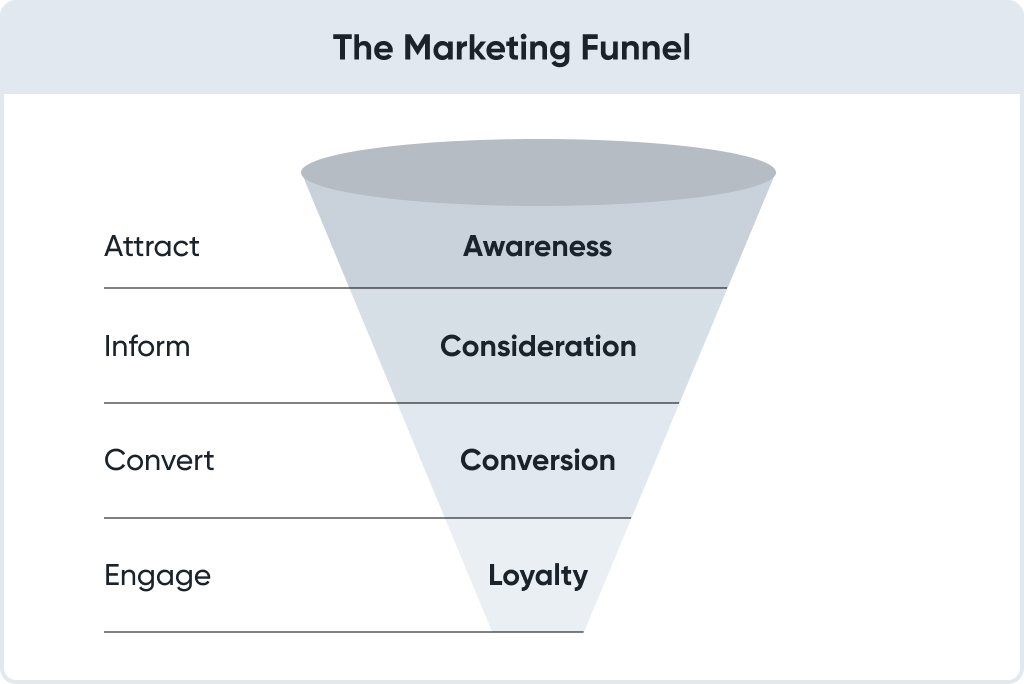
- drop off points in the funnel
Support for the full customer journey
Digital ads can support every stage. Awareness ads bring new people in. Remarketing brings back visitors. Search ads capture high intent users. Email and CRM retargeting can push conversion further.
When campaigns are built as a system, results become more stable.
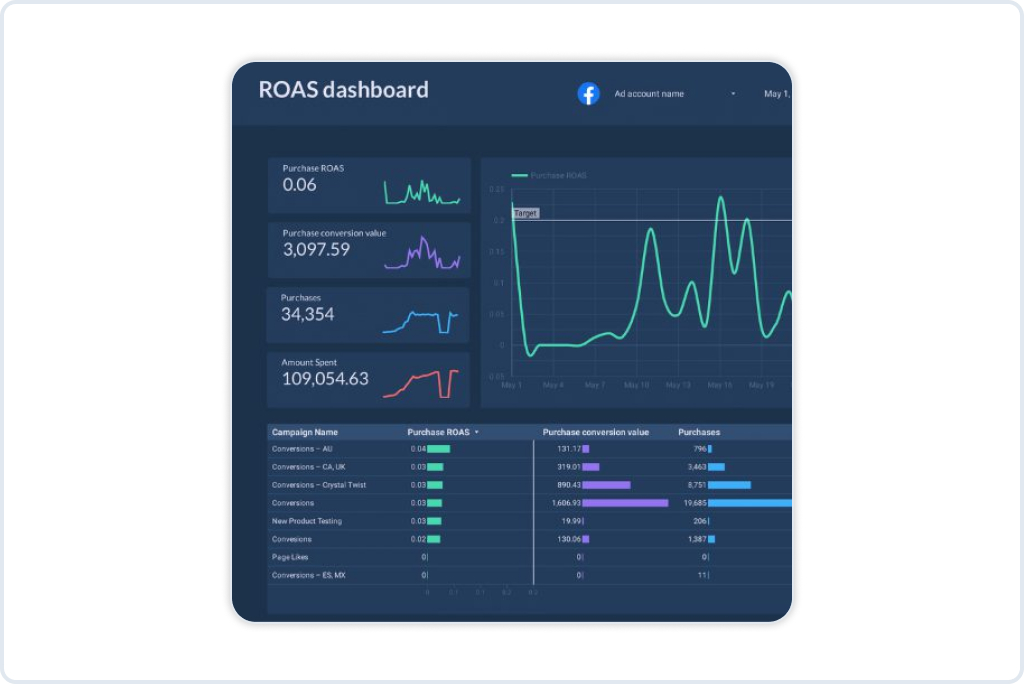
A practical way to think about digital media advertising
If digital advertising feels overwhelming, simplify the mental model.
Digital ads work when three elements line up:
- the right audience
- the right message
- the right landing experience
Most underperforming campaigns miss one of these. Not all three. Usually just one. Fix that one, and performance can change fast.
FAQ
Digital advertising is paid promotion online. You pay platforms like Google, social networks, or websites to show your message to specific people and drive actions like sales or leads.
They can be, because digital ads are easier to measure and optimize. Traditional media can still work well for brand reach, but digital advertising gives more control and faster feedback.
It depends on margin, goals, and competition. Many businesses start small, learn which campaigns convert, and then scale the budget based on performance.
There is no universal winner. Search ads often work well for high intent demand. Social ads are strong for discovery and remarketing. Display and video can support reach and persuasion. The best mix depends on your product and audience.
Usually the problem is after the click. The landing page may be slow, unclear, or not aligned with the ad promise. Sometimes the targeting is too broad or the offer does not match the audience intent.
SEO focuses on earning traffic organically through content and site quality. Digital advertising focuses on paid visibility. Many businesses use both because they support each other.