If you sell on Amazon long enough, you eventually run into the same situation.
The product is fine.
The listing looks clean.
Pricing is competitive.
And still, nothing really happens.
Traffic is slow, organic positions barely move, and competitors with very similar products somehow stay ahead. This is usually the moment when sellers stop asking whether they should use Amazon PPC and start asking how to use it without losing money.
Amazon PPC advertising is not a shortcut. It does not magically fix a bad product. What it does is much simpler and more important. It gives your listing a chance to be seen and tested by real buyers.
What Amazon PPC actually is, without the marketing fluff
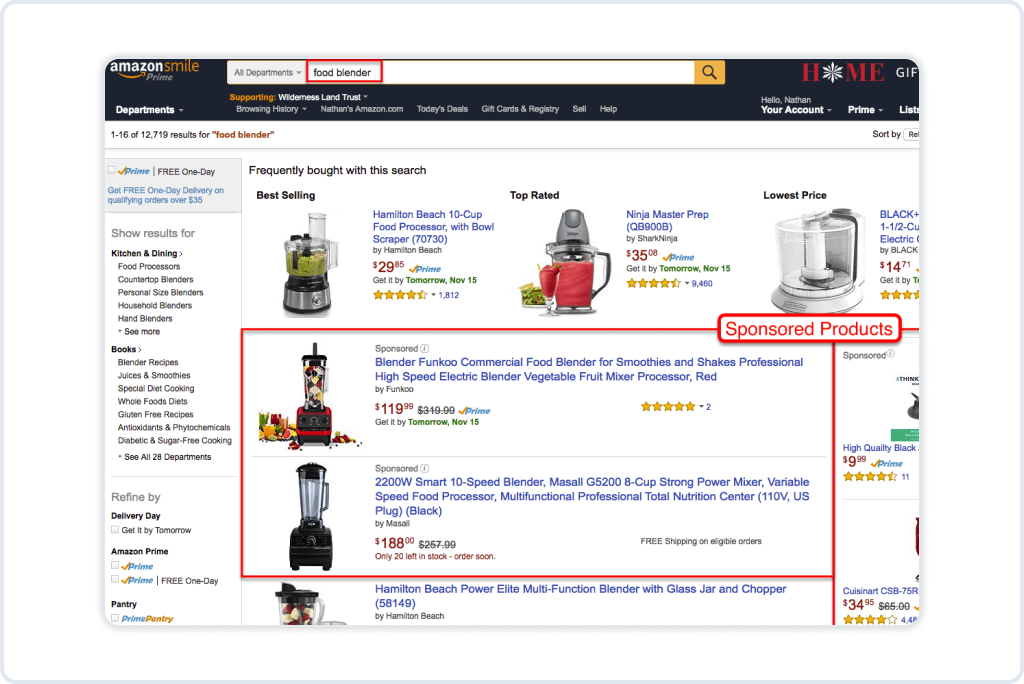
Amazon PPC is a pay-per-click advertising system built directly into the Amazon marketplace. You bid on keywords or placements, your ads appear inside search results or on product pages, and you pay only when someone clicks.
That part is obvious.
What matters more is where those clicks happen. Amazon users are not browsing out of curiosity. They are already shopping. Often with a credit card in hand. That makes Amazon PPC very different from social ads or display ads elsewhere.
When someone searches for a product and sees a sponsored listing, Amazon decides whether to show your ad based on a mix of factors. Your bid matters, but it is not everything. Relevance, listing quality, past performance, and conversion signals all play a role.
In other words, Amazon PPC is not only about paying more. It is about proving to Amazon that your product deserves visibility.
The types of Amazon PPC ads sellers actually use
Amazon PPC advertising sounds more complex than it really is. Most sellers work with three formats, and usually not all at once.
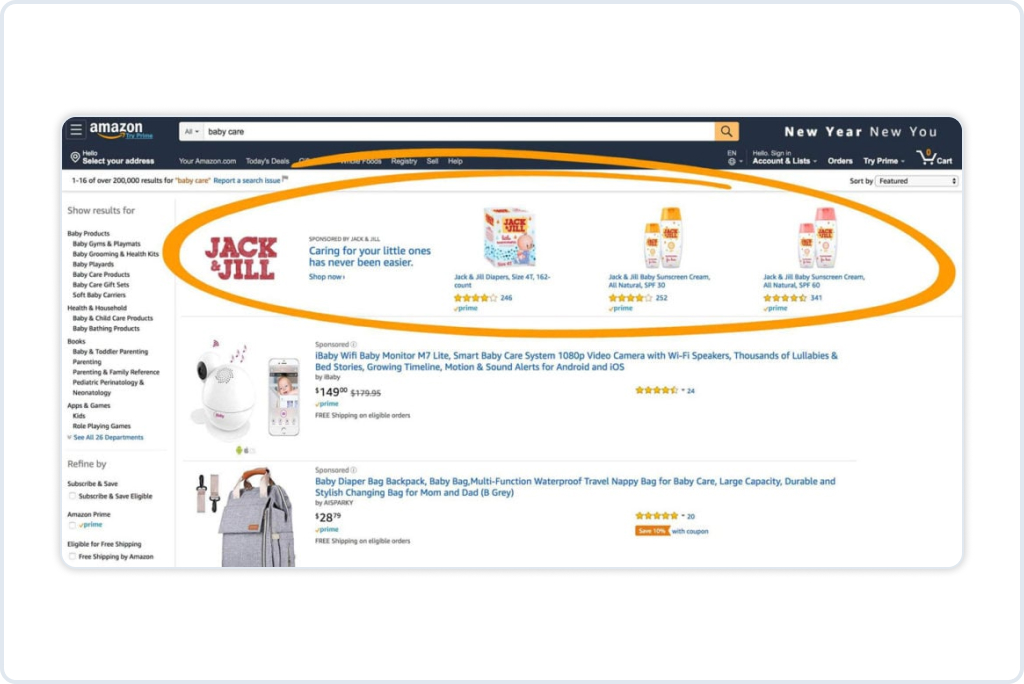
Sponsored Products are where almost everyone starts. These ads promote individual listings and appear directly in search results or on product pages. They blend into the shopping experience, which is why they tend to convert well.
Sponsored Brands show a logo, a headline, and several products together. They sit higher in search results and are more about brand presence. They make sense once you sell more than one related product and want control over messaging.
Sponsored Display ads focus less on keywords and more on audiences. They are often used to follow shoppers who viewed a product, clicked, and left without buying. Think of them as a reminder rather than a first touch.
Most beginners do not need all three. Sponsored Products alone can already move the needle.
Launching your first Amazon PPC campaign without burning budget
This is where most mistakes happen.
People launch ads too early, too aggressively, or without structure. Then they panic when spending goes up and sales do not follow immediately.
Start slower than you think you should.
Before launching anything, look at your listing. Not as a seller, but as a buyer. Is it obvious what the product does? Are images doing the explaining, or forcing people to read? Do the bullet points answer real questions?
Amazon PPC amplifies whatever you already have. If the listing converts poorly, ads will simply expose that faster.
When you are ready, start with Sponsored Products. Create one automatic campaign and one manual campaign. Keep them separate. This makes learning easier later.
Set a daily budget that you are comfortable losing in the first days. Not because you will lose it, but because early data is rarely clean. Amazon needs time to understand who should see your ads.
Automatic campaigns are not there to make money immediately. They are there to show you how shoppers actually search. Let them run. Check search terms. Look for patterns.
Only after that does manual targeting make sense.
Keywords, bids, and why volume often lies
Amazon PPC advertising lives and dies by keywords, but not in the way most people expect.
High-volume keywords look attractive on paper. In practice, they are often expensive and unfocused. A very specific keyword with lower volume can outperform them simply because it matches intent better.
Start with keywords that describe the product clearly. Not creatively. Not broadly. Clearly.
Bids are not a ranking tool. They are a control mechanism. Increase bids when a keyword converts and stays within your target cost. Lower them when clicks pile up without sales.
One habit that separates profitable campaigns from chaotic ones is negative keywords. Regularly excluding irrelevant search terms protects budget and improves performance faster than most bid tweaks.
Making Amazon PPC work long term
Optimization is not something you do daily. It is something you revisit consistently.
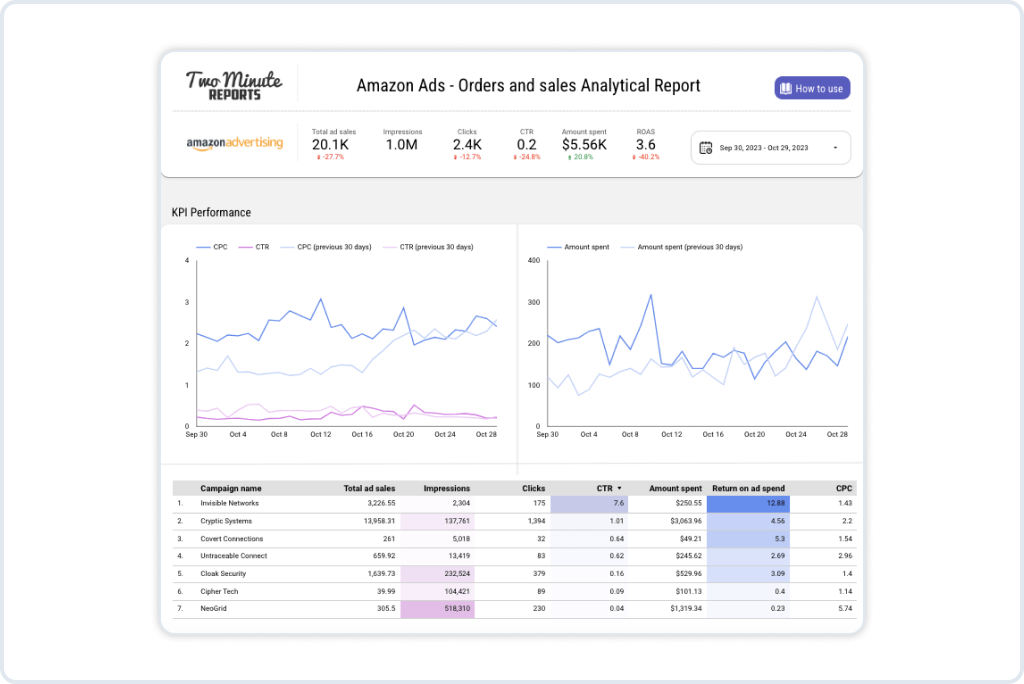
Look at trends, not single days. ACOS alone does not tell the full story. A higher ACOS during launch can be acceptable if it generates sales velocity. A low ACOS with no growth is not always a win.
Separate brand keywords from non-brand ones. Brand terms usually convert better and should not hide problems in generic campaigns.
Use PPC data outside advertising. Search terms that convert often belong in your listing. Ads and listing optimization should inform each other.
A realistic way to think about Amazon PPC
Amazon PPC is not optional for most sellers anymore, but it is also not a silver bullet.
It is a system that rewards structure, patience, and relevance. Sellers who treat it as a quick fix usually overspend. Sellers who treat it as part of their product lifecycle tend to build stable visibility over time.
Start small. Watch what buyers respond to. Scale what proves itself.
That is how Amazon PPC advertising stops feeling risky and starts feeling predictable.
FAQ
Amazon PPC is how you buy visibility on Amazon when organic reach is not enough. You pay to show your product in front of shoppers who are already searching, and you only get charged when someone actually clicks. Most sellers don’t start using it because they want ads. They start because nothing moves without them.
If the category is competitive, then yes. You can sometimes survive without Amazon PPC in very small niches, but in most cases the listing just doesn’t get enough exposure on its own. PPC gives Amazon data, and Amazon runs on data.
Less than most people think, but more than zero. The mistake is expecting profit in the first few days. Early Amazon PPC advertising is mostly about learning. You’re paying for information before you’re paying for efficiency.
This is one of the most common problems. Usually the ads are doing their job, and the listing is not. Images are unclear, the price feels off, reviews are missing, or the value is not obvious fast enough. Amazon PPC brings people in. The listing has to convince them.
It can be. Especially if you chase broad, high-volume keywords without control. Amazon PPC gets expensive when structure is missing and when campaigns run on autopilot for too long. With regular cleanup and negative keywords, costs are much easier to manage.
You’ll see activity almost immediately. You’ll see clarity much later. Usually after one or two weeks you start understanding which keywords actually matter. That’s when Amazon PPC advertising becomes more predictable.
Automatic campaigns first, but not forever. They are useful to see how shoppers search in real life. Manual campaigns are where control starts. Most sellers who struggle stay too long on automatic and never translate data into structure.
Indirectly, yes. Sales velocity and engagement matter on Amazon. PPC can help generate those signals, especially early on. But it won’t fix a weak product. It just helps Amazon notice what’s already working.
There is no universal number. A “good” ACOS depends on margins, product stage, and goals. During launch, higher ACOS can be acceptable. Later, it usually needs to come down. Anyone giving a single benchmark is oversimplifying.
Trying to scale too fast. Increasing budgets before understanding what actually converts. Amazon PPC rewards patience more than aggression, even though the interface pushes you to spend more.