The online market in 2026 is loud. Having a WooCommerce store isn’t enough on its own, never really was. People need to find the store first. Otherwise, no buyers.
So how do you actually grow an online shop?
The honest answer: invest time and money into SEO. That’s where store visibility comes from in search, and where steady organic traffic, the kind that converts, starts showing up.
If you’d rather not do all of it yourself, dedicated WooCommerce SEO services will get you to your e-commerce goals faster than going solo. But even if you hand it off, you should still know what’s what. Otherwise, how would you tell whether the agency is doing the right thing? You wouldn’t. You’d just be hoping.
What follows is a practical primer for putting together an SEO action plan for your WooCommerce store.
Start With the Foundation
A solid technical base comes first. Before brilliant product descriptions. Before any blog post. Your store has to be set up so search engines can actually crawl and understand it.
That means: a decent theme. Security in order. The site is actually indexable.
Boring? A little. But handle it early, and the rest of your SEO work gets dramatically easier. Skip it, and you’ll be paying for the cleanup later, often more than the original work would have cost.
Think of the store like a house. Nobody picks out wallpaper before the foundation is poured. Same logic. Basics aren’t glamorous. They just have to be in place.
On-Page SEO: Making Each Page Earn Its Keep
This is where you optimize the actual content and HTML of your product and category pages. The goal: rank higher and pull in the right visitors.
Not just any visitors. The right ones. And no, it’s not about cramming keywords into every paragraph. (Hasn’t worked that way for years.) It’s about clear, useful content that matches what shoppers want and what search engines recognize as relevant.
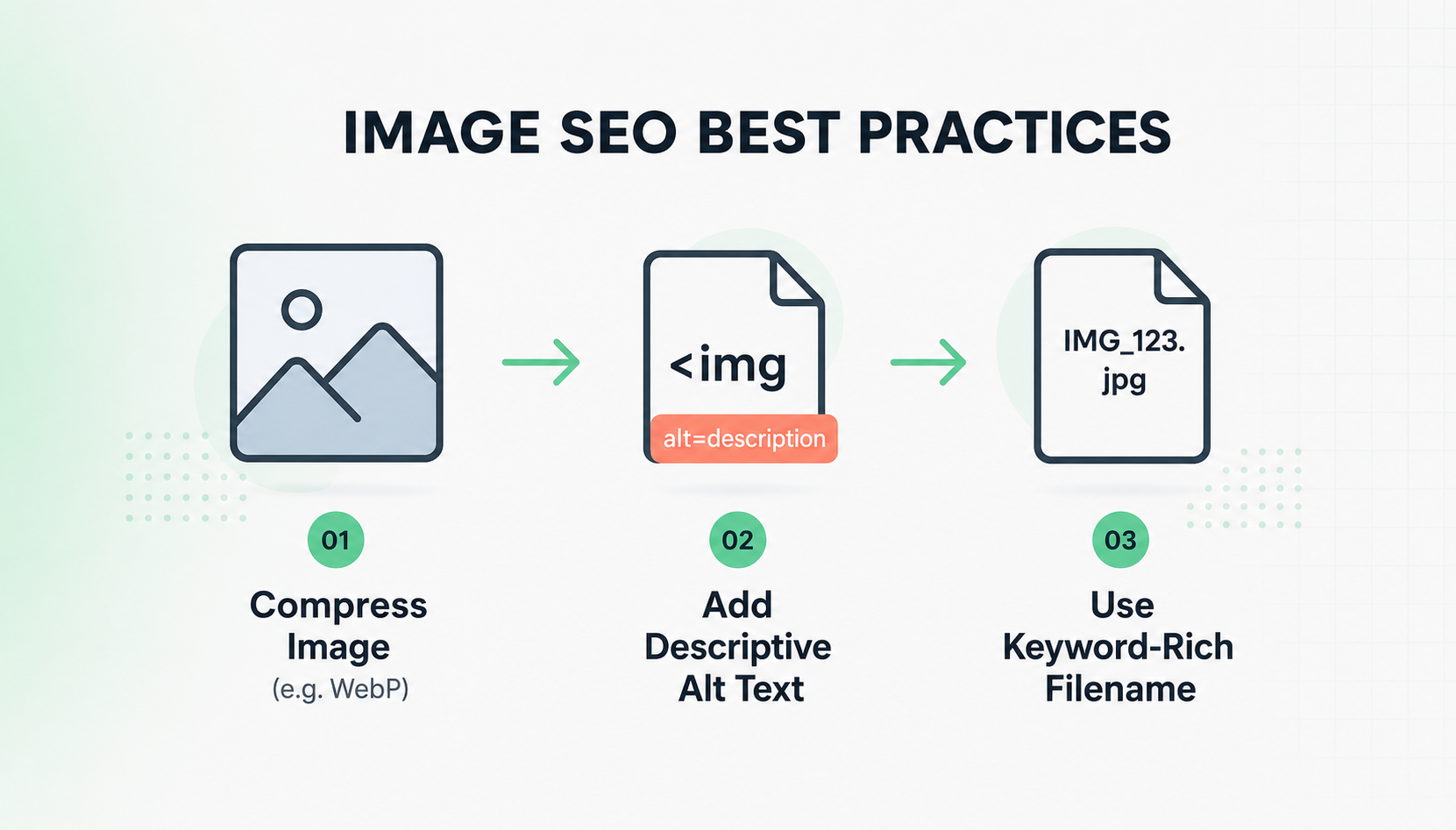
Every part of the page has to pull its weight. Titles. Descriptions. Headings. Images. Each one has a chance to signal what the page is about.
Good on-page SEO shapes how your listings look in search results. Tighten each page, and three things happen: visibility goes up, organic traffic grows, and the right products land in front of the right people faster.
The Technical Side, Under the Hood
Technical SEO is the stuff nobody sees. The plumbing. It’s what lets search engines crawl and index your store properly, and what lets customers move through it without friction.
Speed. Navigation. Indexing. Clean URLs.
Brilliant product pages won’t rank if search engines can’t reach them. The same goes if the store is sluggish or buggy, shoppers leave, signals get worse, and rankings follow.
A strong technical SEO plan does the quiet work. Fewer errors. Healthier site. Everything else you do, content, links, the lot, works harder for it. That’s part of why stores often bring in specialist agencies like NON.agency to lock down the technical layer before scaling anything else.
Site Speed and Core Web Vitals
Speed affects rankings. It affects sales. Both at the same time.
E-commerce sites tend to convert best when pages load in 1–2 seconds. Performance drops off noticeably after 3. That’s not a guideline. That’s what the data keeps showing.
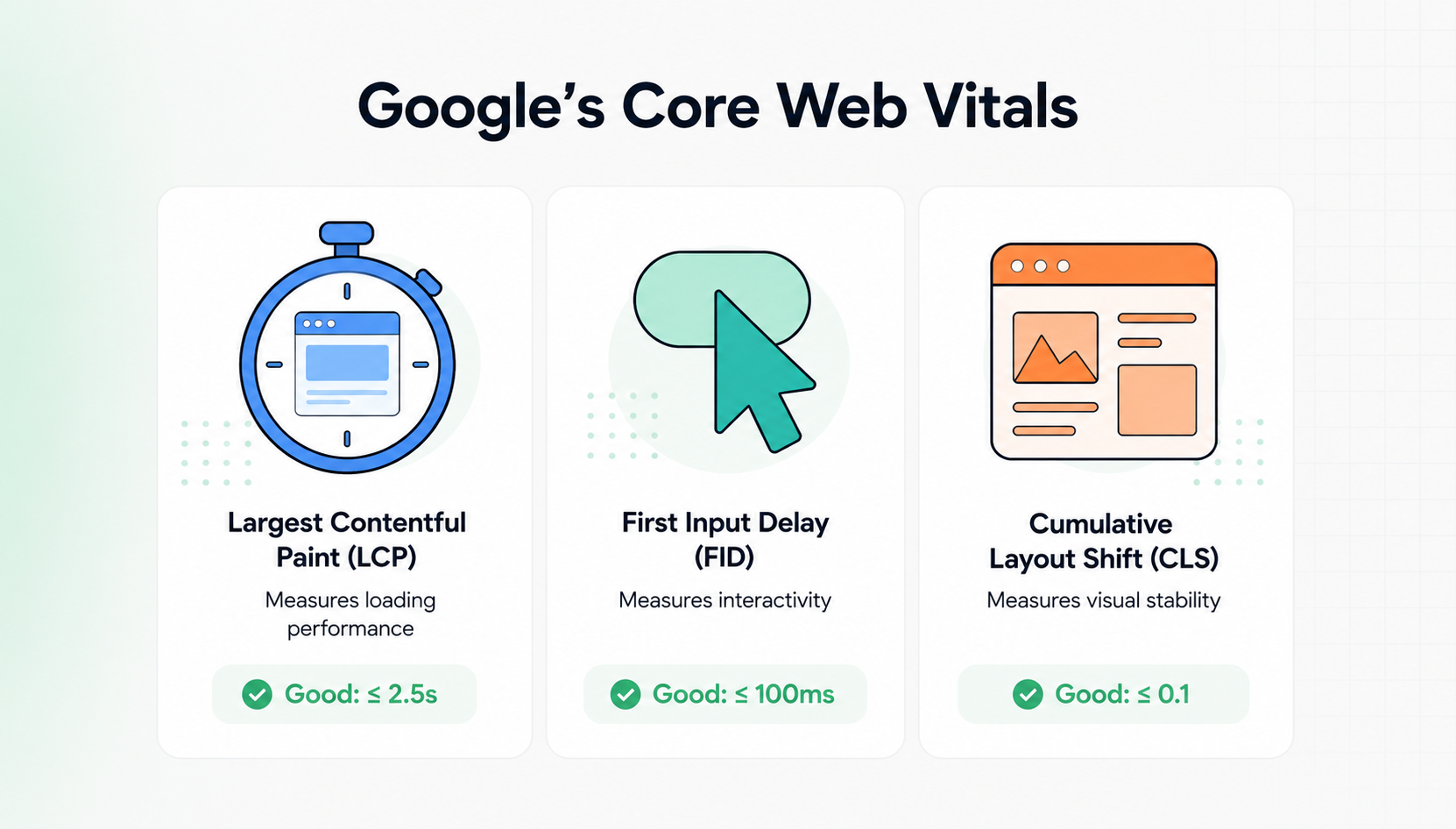
Google’s Core Web Vitals put numbers on three pieces of the experience:
- Largest Contentful Paint: loading
- First Input Delay: interaction
- Cumulative Layout Shift: how much the layout jumps around as it loads
To speed up WooCommerce, start at the bottom of the stack and work up:
- Hosting first. Something built for WooCommerce, not the shared plan you grabbed cheap five years ago.
- Caching. WP Rocket is the usual go-to.
- Images. Compress them. Move to WebP or AVIF, both crush JPG.
- GZIP compression. On.
- Minify CSS, JavaScript, HTML.
- Plugins you don’t actually use? Out. Every one of them is a tax.
- CDN, so content reaches visitors fast wherever they’re loading from.
Then keep testing. Google PageSpeed Insights or GTmetrix will tell you exactly what’s dragging the store down. Don’t guess.
Internal Links and Content
Once the technical setup and on-page SEO are in shape, internal linking and content take over as the long-term growth engine.
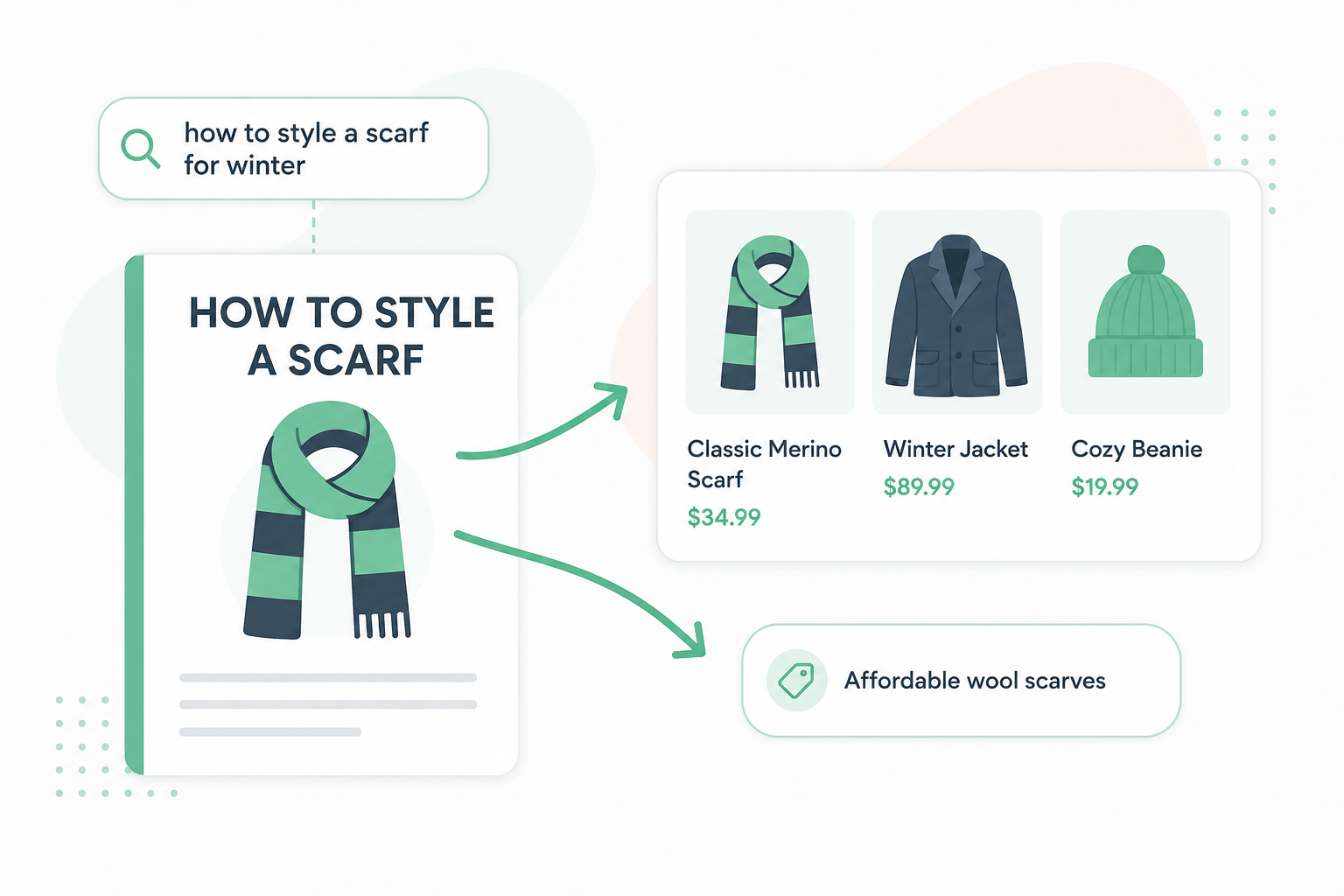
Internal links help both search engines and users move around the store and reach the pages that matter most. A real content plan, useful articles, not filler, lets you reach people earlier in the buying journey. Different stage. Different intent. New visitors.
There’s a quieter benefit, too. These habits make the store more useful for customers. People find what they need faster. They learn something. They stay longer, browse more. And over time — months, not days — all of that supports SEO whether you’re tracking it directly or not.
Off-Page: Signals From Outside Your Walls
Off-page SEO is everything you do outside your own website that still moves your rankings. It builds your store’s reputation and authority across the wider internet.
For e-commerce, those signals are what tell search engines whether your brand is actually trusted and relevant. Without them, on-page perfection only takes you so far.
The usual moves: earning quality backlinks, building a real social presence, getting customers to actually engage with the brand rather than just buy and disappear.
Done together, those expand brand reach, bring in referral traffic, and shore up the rest of the SEO plan. They don’t replace anything. They reinforce.
Where This Is All Heading
The digital market keeps changing. WooCommerce SEO will keep changing with it.
Over the next few years, AI-powered personalized search will push store owners to understand user intent at a deeper level past single keywords, into genuine topic authority. Content that answers the detailed questions clearly, not the obvious ones lazily.
Store owners who stay flexible, keep learning, and aren’t afraid to test new things are the ones who’ll grow long term. Everyone else competes on price. Or stops competing at all.