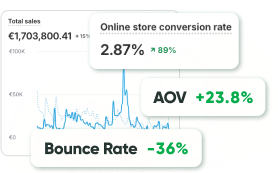
Do you ever wonder why web visitors leave before they purchase anything? Most eCommerce businesses struggle to turn visitor metrics into actual revenue growth. Even with modern software for ecommerce businesses, many stores still face challenges converting traffic into consistent sales. Recent studies show that global internet retail revenue will hit $6.8 trillion by 2028, and this figure might rise soon.
Success depends on how you look at your shop numbers. Can you observe where buyers click or why they drop their carts? High-quality tracking software enables you to fix problems before they cost you too much money.
Why eCommerce Businesses Must Track Every Interaction
If you do not monitor your visitors, you are just guessing. Information shows exactly what happens on your website. For instance, the average cart abandonment rate across different industries sits at 70.22%. This percentage proves that many buyers almost purchase, but then stop.
Also, you must know which items attract the most attention and which pages load too slowly. Slow pages hurt your income because shoppers hate waiting for images to appear. You can check your site speed to verify if your shop performs well for mobile consumers.
Choosing the right eCommerce analytics tools allows you to view these patterns clearly. You might find that a specific payment method causes errors or that your checkout form is too long. When you fix these issues, your conversion rate usually goes up. Plus, you can spend your advertising budget on the campaigns that actually bring in paying clients. Why would you pay for traffic that does not buy anything?
Visualizing Buyer Behavior with Heatmaps
Standard numbers tell you that individuals leave, but they do not tell you why. Visual applications show you the reason by recording consumer sessions. You can check if guests try to interact with images that lack links. Or maybe they miss your primary button because it is the wrong color. Using online store analytics gives you a video-like view of the client experience. This type of feedback is much faster than waiting for customer surveys.
What visual tracking offers:
- heatmaps display where people move their mouse;
- click maps reveal which links are popular;
- scroll maps indicate if individuals reach your bottom content;
- session recordings show where prospects get stuck.
These insights let you improve your store performance by focusing on what buyers actually want. You might think your new banner looks great, but what if no one clicks it? Seeing the real behavior of your visitors stops you from making mistakes based on ego. It centers on what the consumer does, not what you think they should do. Regularly check digital footprint to detect breached emails and exposed data, get alerts, and follow clear steps if you’ve been hacked.
Different eCommerce businesses face unique challenges with their interfaces. A clothing brand might struggle with sizing charts, while an electronics vendor deals with technical specifications. Watching recorded sessions shows exactly where the confusion happens. You might notice individuals hovering over a specific description for a long time. This action indicates that the text is unclear or too complex. Small adjustments to the copy often lead to more completed orders.
Improving Growth Through eCommerce Data Analysis
Big metrics are only useful if you can understand them. You must group your shoppers based on their habits. Some people only purchase when you offer a discount. Others acquire the newest items as soon as they arrive. Using eCommerce data insights permits you to send the right email to the right person. This reduces the chance that they mark your messages as spam.
Many businesses fail to capitalize on their existing clients. It costs much less to retain a buyer than to acquire a new one. Analyzing purchase history shows you which items pair well together. You can then create special bundles that increase the average order value. Businesses that apply this strategy see higher profits without increasing their advertising spend. Understanding your audience is crucial for long-term survival.
Effective market research for eCommerce also requires looking outside your own merchant platform. You must know what your rivals do and how they price their goods. If your rates are 20% higher for no reason, you lose transactions. Software for product price monitoring keeps you updated on sector changes in real time. But how do you gather this information without getting blocked by other sites?
When you use web data collection tools, you might encounter connection limits. To collect public stats without issues, you can buy residential proxy servers to maintain a stable connection. This tech lets you check competitor tags across different locations. It ensures you observe the same details a regular shopper does. These digital tools for online retailers are vital for staying active in a crowded sector.
Advanced Competitive eCommerce Analysis and Intelligence
Staying ahead of the pack requires checking more than just your own dashboard. You require online retail intelligence to spot trends before they become old news. Are rivals launching new item lines? Are they changing their shipping policies? You can use tools for eCommerce businesses to find gaps in the market that you can fill.
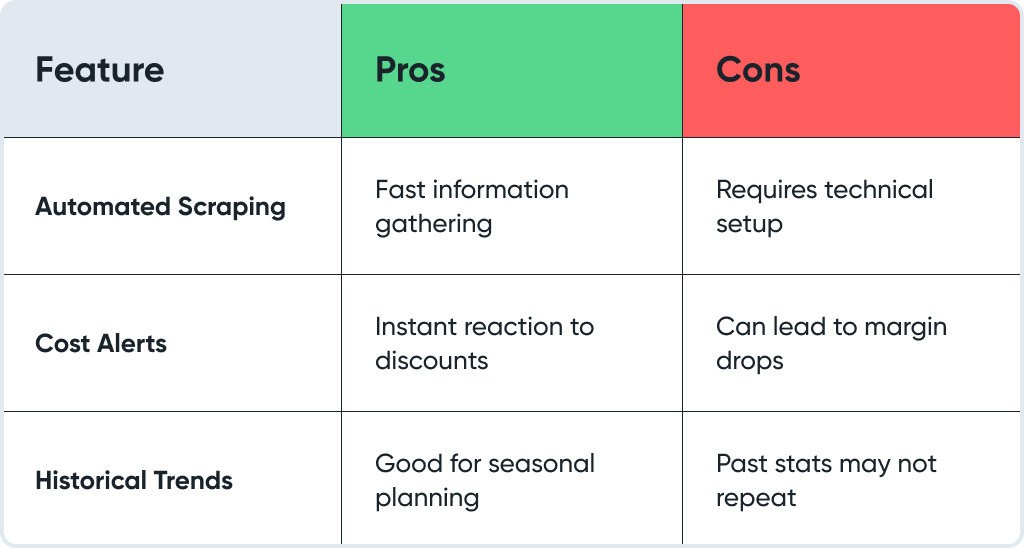
Many eCommerce businesses apply these utilities to adjust rates five times a day. If you sell on Amazon or large marketplaces, this speed is necessary. Also, you can identify which keywords your rivals rank for in search results. Plus, you can find out which influencers they work with. This detail gives you a clear path for your own marketing efforts. Why spend months testing things that your competitors have already proven do not function?
Using eCommerce Automation Tools to Scale
Manual entry is a waste of effort and leads to many errors. You should connect your systems so they talk to each other. For example, when a shopper makes a purchase, your tracking platform should automatically update your ad spend. Using automation tools enables your team to focus on creative tasks rather than on spreadsheets. You can set up alerts that tell you when a specific product is selling faster than usual.
Connecting operations provides numerous structural benefits:
- automated reports save hours every week;
- syncing inventory prevents offering out-of-stock goods;
- dynamic billing keeps your margins healthy;
- email flows recover lost carts automatically.
You should also look into options that handle consumer feedback. If three clients mention a broken link in one day, you must know immediately. Automation makes sure these messages go to the right developer right away. This keeps your shop running smoothly without constant manual checking. All eCommerce businesses benefit from faster response times.
Final Steps for Choosing Your Tech Stack
Every outlet has different needs. A small shop might only need standard tracking and a simple heatmap utility. A large enterprise needs deep monitoring and custom scrapers. Do not buy the most expensive platform just because it has many buttons. Start with the free versions and determine what metrics you actually rely on every day. Does the software give you answers or just more questions?
Connecting different platforms can be tricky for newcomers. You want your email provider to sync perfectly with your inventory system. If they do not communicate, you might advertise a product that is already sold out. This creates a terrible experience for the shopper and ruins your reputation. Most modern businesses rely on API integrations to keep everything updated instantly.
Make sure your team knows how to read the charts. Information is useless if no one acts on it. You have to train your staff or hire an expert to set up your monitoring correctly. When your stats are clean, you can make choices with more confidence. Plus, you stop wasting money on ads that do not work. Successful eCommerce businesses always prioritize accurate tracking.