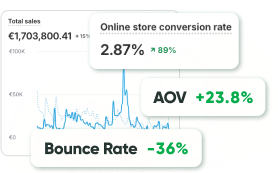
The size of the mCommerce market is projected to reach a staggering $5.908 trillion by the end of 2023. This remarkable growth highlights the immense potential and significance of mobile app development for businesses operating in the eCommerce industry.
In this article, we’ll provide a comprehensive analysis of the various factors that contribute to the overall cost of eCommerce mobile app development. Let’s start.
Benefits of having an eCommerce mobile app
Having an eCommerce mobile app offers numerous benefits that can significantly boost a business’s online presence, customer engagement, and overall revenue. Here are some key advantages:
- Increased customer engagement
An eCommerce mobile app allows businesses to engage with customers on a more personal and direct level. Through push notifications, personalized offers, and in-app messaging, businesses can establish meaningful connections with their customers, enhancing engagement and fostering customer loyalty.
- Enhanced user experience
An eCommerce mobile app provides a tailored and user-friendly interface, allowing customers to browse products, make purchases, and navigate effortlessly, resulting in a superior user experience. The app’s intuitive design, optimized for mobile devices, ensures smooth and seamless interactions, leading to higher customer satisfaction.
- Improved accessibility
With an eCommerce mobile app, customers can access your online store anytime, anywhere, providing convenience and flexibility. Whether they are commuting, relaxing at home, or on-the-go, users can easily browse products, compare prices, and make purchases, contributing to increased sales opportunities.
- Personalized recommendations
By leveraging customer data and preferences, an eCommerce mobile app can deliver personalized product recommendations to users, enhancing the shopping experience. By suggesting relevant items based on past purchases or browsing history, businesses can increase upselling and cross-selling opportunities, driving higher conversion rates.
- Streamlined checkout process
An eCommerce mobile app simplifies the checkout process, reducing cart abandonment rates. With features such as saved payment information, one-click purchasing, and multiple secure payment options, customers can swiftly complete their transactions, leading to increased conversions and higher revenue.
- Offline access and push notifications
Unlike mobile websites, eCommerce mobile apps can provide offline access to certain features, such as saved product catalogs or previously viewed items. Additionally, push notifications enable businesses to send real-time updates, promotions, and order status notifications, keeping customers informed and engaged.
- Brand visibility and recognition
Having an eCommerce mobile app strengthens your brand presence in the digital landscape. With your app icon residing on users’ mobile devices, it serves as a constant reminder of your brand. Furthermore, mobile apps allow for customization, enabling businesses to reflect their unique brand identity, fostering recognition and brand loyalty.
- Integration with device features
eCommerce mobile apps can seamlessly integrate with device features like cameras, GPS, and voice assistants. This integration enables advanced functionalities such as product scanning, location-based offers, and voice search, enhancing the overall user experience and adding value to your app.
- Data-driven insights
An eCommerce mobile app provides valuable data insights into user behavior, preferences, and purchasing patterns. This data can be leveraged to make informed business decisions, optimize marketing strategies, and personalize future customer interactions, leading to increased efficiency and profitability.
- Competitive advantage
In today’s fiercely competitive eCommerce landscape, having a mobile app gives businesses a competitive edge. By offering a convenient and engaging mobile shopping experience, businesses can differentiate themselves from their competitors, attract new customers, and retain existing ones, ultimately driving growth and market share.
And now let’s take a look at the factors impacting eCommerce mobile app development cost.
Factor #1. eCommerce application development platform
Developing apps for native platforms, such as Android and iOS, can be expensive because it requires developers who are skilled in specific programming languages, namely Java and Kotlin for Android and Swift and Objective C for iOS. This means you may need separate teams or developers for each platform, which increases the resources needed and the overall cost.
To save money, it’s wise to understand your target users first and then find a development company that specializes in creating apps for that particular platform. By doing research and identifying your target audience, you can focus on developing an app for the platform that is most commonly used by your potential users. For example, if most of your users use iOS devices, working with experienced iPhone App Developers can help ensure your app is optimized for performance, user experience, and platform-specific requirements from the start. There is no need to invest in developing an Android app in this case. The same applies in reverse if your target audience primarily uses Android devices. By narrowing your focus to one platform, you can reduce costs and allocate resources more efficiently.
For an even more cost-effective solution, businesses should consider Progressive Web Apps (PWAs). PWAs are a type of web application that offers a user experience similar to native mobile apps but without the need for separate development for different platforms. PWAs are built using web technologies such as HTML, CSS, and JavaScript, making them platform-agnostic and accessible across various devices and operating systems. By leveraging the capabilities of modern browsers, PWAs provide offline functionality, push notifications, and seamless responsiveness.
Moreover, PWAs eliminate the need for app store distribution and updates, reducing the associated costs and approval processes associated with a native app development company. With a single codebase and the ability to reach users across multiple platforms, PWAs offer a cost-effective solution for businesses looking to provide a mobile app-like experience to their users without the overhead of native app development or engaging a native app development company.
Factor #2. Feature list
The feature list for an eCommerce mobile application closely resembles that of an eCommerce website. The essential features for an eCommerce app include user login, user profile, product search, product catalog, payment gateway, and checkout process. If you aim to develop a simple application, these basic eCommerce features are sufficient to provide customers with a convenient shopping experience. The cost of building an eCommerce mobile app with these basic features typically starts at around $10,000 for both iOS and Android platforms.
On the other hand, if you want to incorporate advanced features, consider the following list:
- online chat for easy communication with customer support
- product reviews for more credibility
- push notifications for timely updates and engagement
- multiple payment options for customers’ flexibility and convenience
- guest checkout for a streamlined checkout process, reducing friction and simplifying the buying experience
- wishlist functionality for saving and tracking desired products
- social media integration for increased reach and brand exposure
- product filters for efficient product browsing
- a Machine Learning-based recommender system for personalized product recommendations
- interactive features (swipe-to-like, etc.) for an engaging user experience
Including these advanced features may significantly increase the cost of eCommerce mobile app development. However, it is recommended to begin with the basic eCommerce functionality and gradually add more advanced features as your business grows.
- Overall, the cost of developing eCommerce apps can vary greatly depending on their complexity and the resources required for development. Here are some rough estimates:
Basic functionality: $10,000 – $50,000 - Mid-range functionality: $50,000 – $150,000
- Complex functionality: $150,000 – $500,000+
These figures are rough estimates, and the actual cost may vary depending on the specific requirements of the project. It is advisable to obtain a detailed cost estimate from a development team before initiating the development process.
Factor #3. The location of the development team
The location of the development team is a significant factor that can impact the cost of eCommerce app development. The choice of hiring a local development team or outsourcing the project to a team in a different country can have cost implications. Here’s how the location of the development team can influence the overall cost:
- Labor cost disparities
Different countries and regions have varying labor costs. Hiring a development team from a country with a higher cost of living or stronger currency may result in higher hourly rates or project costs. On the other hand, outsourcing to a country with lower labor costs can potentially provide cost savings while maintaining quality standards.
- Skill & expertise availability
The availability of skilled developers in a particular location can impact development costs. Regions with a large pool of experienced developers may have higher demand and, therefore, charge higher rates. Conversely, locations with a surplus of skilled developers may offer more competitive pricing options.
It’s important to note that a single developer alone cannot deliver a complete and high-quality mobile application. You will also need to hire at least one designer and a QA manager to ensure that your app is free of bugs and meets the required standards. To ensure transparency and a smoother development process, we recommend hiring an eCommerce team to handle the project development.
Factor #4. Payment gateway integration
Integrating a payment gateway into an eCommerce app can be a challenging and time-consuming task, impacting the overall development cost. The specific cost of payment gateway integration may vary based on factors such as the chosen payment gateway provider and the extent of customization needed for seamless integration.
Prior to integrating online payment functionality into your website, it is advisable to carefully review the fees associated with various stages of the process. These fees can accumulate, and it is beneficial to have a comprehensive list of the key aspects that are important to you. This allows you to focus specifically on developing those elements and ensures that you are well-informed about the financial implications of implementing online payment on your website.
Typically there are such fees as:
- Registration
- Setup
- Monthly fees
- Transaction fees
- Processing fees
- Refunds
- Chargeback fees
It is essential not to overlook these hidden fees to avoid unexpected surprises in the future. Additionally, there may be fees for fund transfers and termination, although the variance between payment gateways is usually not significant.
Factor #5. UX/UI design
The design elements and user experience play a vital role in attracting and engaging customers, influencing their satisfaction and loyalty. The cost of app design encompasses the fees charged by UI/UX designers who create wireframes, user interface designs, and the overall user experience design for your eCommerce app. The specific cost varies depending on the complexity of the design and the expertise of the designer involved.
Factor #6. Testing
Thorough testing ensures the app’s functionality, usability, performance, and security, providing a seamless user experience and reducing the risk of issues or bugs.
The types and extent of testing required can impact development costs. Various testing types, such as functional testing, usability testing, performance testing, security testing, and compatibility testing, each come with their own level of complexity and resource requirements. The more comprehensive the testing coverage, the higher the costs due to increased time and effort invested in testing activities.
Testing on different devices, operating systems, and browsers is crucial to ensure a consistent user experience across various platforms. However, maintaining a wide range of testing environments, including physical devices or cloud-based testing services, can add to the overall cost. The complexity and number of target devices impact the testing efforts and expenses.
The use of testing tools and automation can streamline the testing process, saving time and effort. However, implementing and configuring testing tools, creating test scripts, and maintaining automation frameworks may require additional upfront investment. While automation can lead to long-term cost savings by increasing testing efficiency, initial development costs might be higher due to the setup and implementation of testing automation.
The identification and resolution of bugs discovered during testing require additional development hours. Depending on the complexity of the issues found, bug fixing and subsequent iterations might extend the development timeline and increase costs. Allocating sufficient time and resources for bug fixing and iterative testing is crucial for delivering a stable and reliable eCommerce app.
Ensuring the security and compliance of an eCommerce app is essential for protecting user data and meeting industry standards. Security testing, vulnerability assessments, and compliance checks might involve specialized tools, external audits, or security experts, which can add to the development costs. However, investing in robust security measures during testing helps prevent potential breaches and protects both the app and users’ sensitive information.
Factor #7. Support & maintenance
It is crucial to consider that regular updates and technical maintenance are necessary once the application is launched.
Regular maintenance ensures that the app remains functional, reliable, and up-to-date with the latest technologies and security measures. This includes monitoring performance, fixing bugs, and addressing any issues that may arise. As the business evolves and grows, the app may require updates to accommodate new features, products, or services. Maintenance and support also involve ensuring compatibility with various devices, operating systems, and browsers to provide a seamless user experience.
The cost of the app maintenance depends on the intricacy of its features and the frequency of necessary updates. Typically, the expected cost of maintaining an eCommerce app ranges from 20% to 30% of your initial budget. It is advisable to collaborate with an app development company that can provide assistance throughout this process, ensuring efficient maintenance and support.
Final word
Creating a mobile eCommerce app is a substantial investment with the potential for significant returns for businesses. It is crucial to collaborate with a reputable and knowledgeable development company that can guide you through the process and ensure the project’s success.
The cost of developing a mobile eCommerce app can vary depending on factors such as the app’s specific features, complexity, the expertise of the development team, etc. On average, the eCommerce mobile app development cost typically falls within the range of $10,000 to $500,000, although it can exceed this range depending on the aforementioned variables.